


The United States will apply 25% tariffs on certain imports from Brazil beginning July 22, following findings of unfair trade practices by the South American nation. The measures, initially proposed last month, exempt items not made domestically or those that could affect supply chains, such as coffee, beef, oranges, orange juice, select energy products, and aerospace components.
A year-long review by the Office of the U.S. Trade Representative identified issues including weak anti-corruption measures and Brazil’s own high tariffs. Despite these concerns, the U.S. has maintained a goods trade surplus with Brazil for several years.
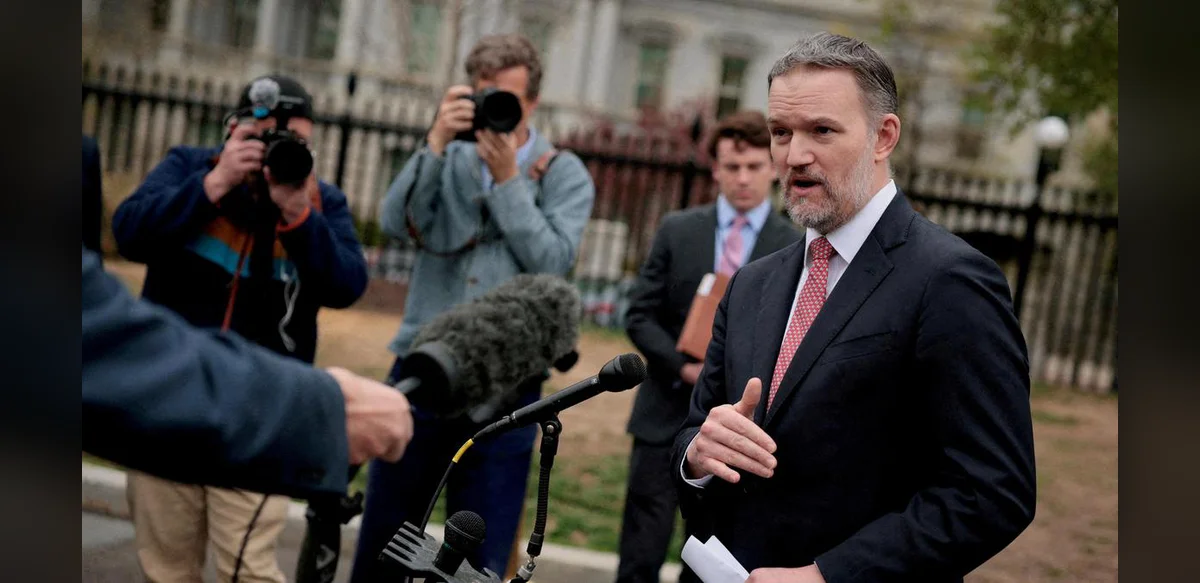
U.S. Trade Representative Jamieson Greer stated the tariffs aim to create fair competition for American businesses and workers. He noted that talks with Brazil over the past year failed to resolve the matters but left the door open for further discussions.
Brazilian President Luiz Inacio Lula da Silva expressed strong opposition after the initial proposal in June, attributing the move to domestic political factors ahead of October elections. Secretary of State Marco Rubio posted on X that Brazil had not negotiated in good faith and that its policies harm both nations.
The tariffs fall under Section 301 of the Trade Act of 1974. Earlier this year, the U.S. Supreme Court limited the use of another statute, the International Emergency Economic Powers Act, for broad tariff actions.

