


Lab-on-a-chip systems have enabled scientists to study human organs and vessels with real cells in tiny artificial settings for over 25 years. These platforms help examine conditions such as heart disease and drug responses. Yet they have lacked the ability to reproduce the precise blood flow patterns created by the human heart.
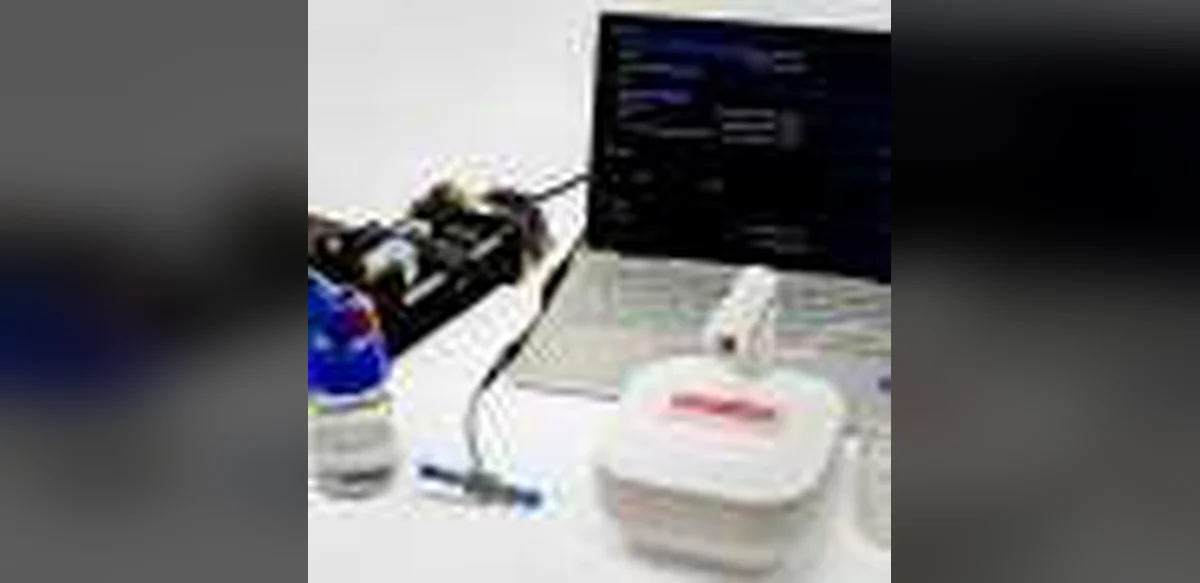
Engineers at Texas A&M University designed an automated perfusion device called HemaDyne that addresses this gap. The system draws inspiration from accordion bellows. It can generate any recorded blood flow waveform from clinical data and replicate it in the laboratory.
The device allows researchers to observe how endothelial cells respond to specific flow conditions linked to disease, aging, or altered gravity. Cells from patients can be placed in the chips to test potential treatments before disorders advance.
Development began after observing an accordion performance on campus. The team adapted the bellows principle from inexpensive glue dispensers and used 3D printer firmware to translate patient waveforms into precise pressure changes. The work appears in Nature Communications.

