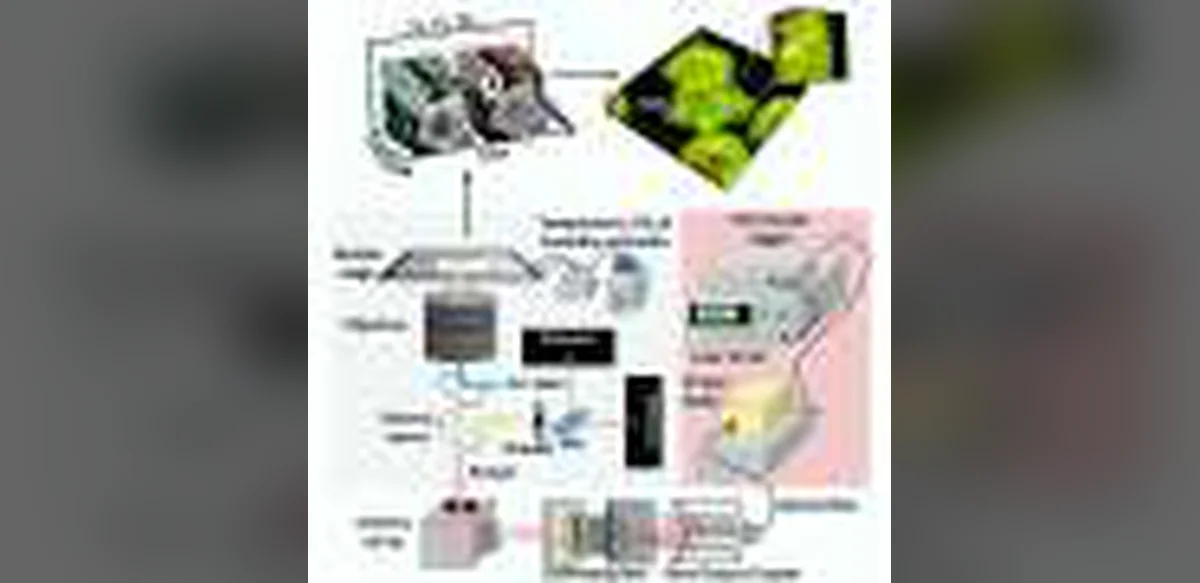
Protein clumps are linked to conditions such as Alzheimer’s and Parkinson’s diseases and appear frequently in certain cell regions called membraneless organelles. Researchers at Ruhr University Bochum developed a technique called confocal Fast Relaxation Imaging, or cFReI, to determine whether these organelles encourage clumping or shield cells by absorbing the clumps temporarily. Their results appear in PRX Life. Cells contain compartments called organelles that allow various processes to occur efficiently. Some organelles lack membranes, and proteins along with RNA gather inside them through a process resembling oil droplet formation in water. Many such compartments hold proteins that misfold or unravel, leading to aggregates connected with neurodegenerative disorders including ALS. It remains unclear whether membraneless organelles safeguard cells by holding misfolded proteins briefly or instead encourage further misfolding. The new method allows direct comparison of protein stability inside these organelles versus the surrounding cytoplasm in the same living cell. Tests on a superoxide dismutase variant found in stress granules showed the protein became more stable inside the granules in most cases, contrary to prior lab-based expectations. This suggests the organelles may protect cells rather than promote harm. The approach can extend to other molecules and compartments, offering potential insights into disease mechanisms and future treatment options.