


The debate over a proposed dam on the Siang river in Arunachal Pradesh has drawn renewed attention to questions of local consent and decision-making processes. Activist Katon Moyong has stated that approval from sixty village councils must occur before any formal discussions advance on the project. This position underscores broader concerns about how development initiatives affect indigenous communities and their surrounding environment.
Moyong, who has shared views through online videos, argues that even initial surveys and studies require prior agreement from affected populations. The core issue centers on authority over natural resources, specifically the river and adjacent lands. Residents in the region have long relied on these areas for agriculture, fishing, and cultural practices, making any large-scale infrastructure change a matter of significant local interest.
Arunachal Pradesh officials have faced increasing pressure to clarify consultation procedures. The state government maintains that the dam could provide substantial benefits, including hydropower generation and flood control measures. Proponents note that such projects might support economic growth in a remote area with limited infrastructure. However, critics emphasize the need for thorough dialogue to avoid potential disruptions to ecosystems and traditional livelihoods.
The Siang river holds importance for multiple communities, serving as a vital waterway that influences seasonal patterns and biodiversity. Environmental assessments typically examine impacts on fish populations, soil stability, and downstream water flow. Moyong’s call for council-level approval reflects efforts to ensure these evaluations incorporate direct input from those most closely connected to the land.
Historical patterns in the region show recurring tensions between state-led development plans and grassroots perspectives. Past infrastructure proposals have sometimes proceeded with limited early engagement, leading to protests and legal challenges. In this instance, the emphasis on sixty councils appears intended to establish a structured framework for participation across dispersed settlements.
Community leaders have expressed varied opinions on the proposal. Some highlight opportunities for improved electricity access and road connectivity that could accompany construction. Others raise worries about displacement risks, changes in water availability, and effects on sacred sites. These differing viewpoints illustrate the complexity of balancing regional progress with preservation of established ways of life.
Government representatives have indicated willingness to conduct public hearings, yet the timing and scope of such meetings remain under discussion. Moyong contends that preliminary technical work should not begin without explicit endorsement from the specified councils. This stance aims to prevent situations where partial commitments create momentum difficult to reverse.
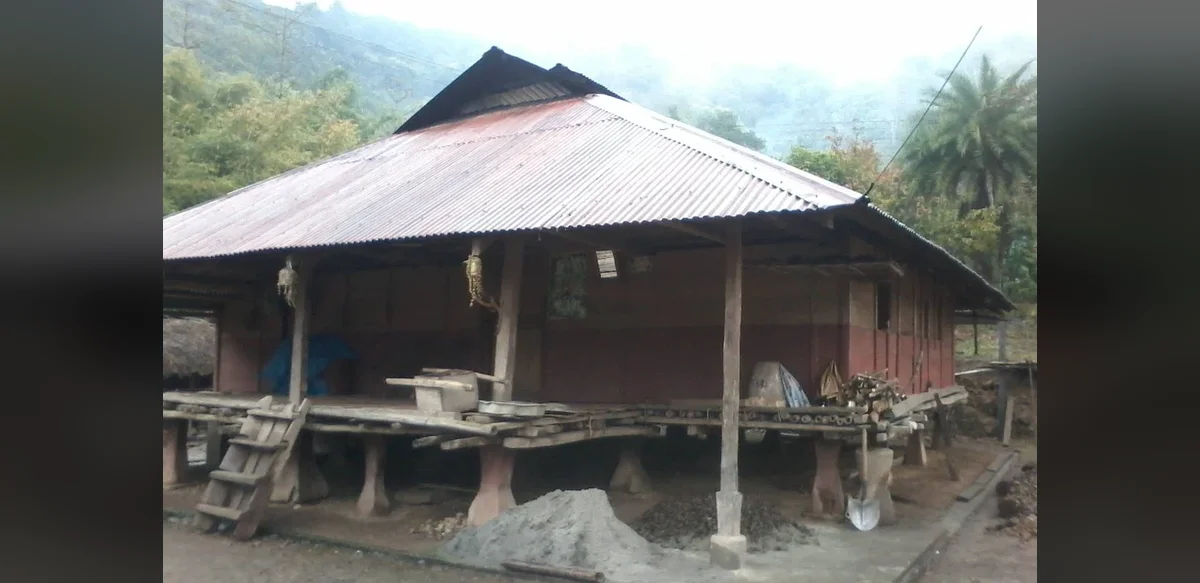
The consent question extends beyond immediate project details to broader governance principles. It touches on how decisions about shared resources are made in areas with strong customary institutions. Village councils in Arunachal Pradesh often play central roles in managing local affairs, including land allocation and dispute resolution. Integrating their involvement at early stages could strengthen legitimacy for any eventual outcomes.
Observers note that similar disputes have arisen in other parts of India where hydropower developments intersect with tribal territories. Lessons from those cases suggest that transparent communication and phased approvals can reduce conflict. For the Siang initiative, sustained engagement with local bodies may prove essential to navigating regulatory requirements and social expectations.
Moyong’s public statements have amplified awareness of these matters through digital platforms. The videos have prompted conversations among diaspora communities and policy analysts interested in indigenous rights and sustainable development. While the activist focuses on procedural fairness, supporters view the effort as part of wider advocacy for equitable resource management.
State authorities continue to gather data on potential project sites. Technical teams have conducted preliminary mapping, though full feasibility studies await further clearances. The government has reiterated commitments to environmental safeguards and community welfare programs tied to the dam. Details on compensation mechanisms or alternative livelihood support have not yet been fully outlined.
Local organizations are organizing meetings to discuss the proposal collectively. These gatherings allow residents to share concerns and formulate unified positions. Moyong has encouraged participation from all affected villages to ensure diverse perspectives inform the process. Such bottom-up approaches contrast with top-down planning models sometimes criticized for overlooking ground realities.
The unfolding situation in Arunachal Pradesh serves as a case study in the challenges of implementing large infrastructure in ecologically sensitive and culturally rich zones. Effective resolution likely depends on building trust through consistent, inclusive dialogue. As discussions progress, the role of village councils in shaping consent standards will remain a key element under scrutiny.
Additional reporting indicates that neighboring districts are monitoring developments closely. Outcomes here could influence approaches to future energy projects across the northeast. Policymakers at both state and central levels may need to refine guidelines for obtaining community agreement in similar contexts. This could involve clearer timelines, documentation standards, and appeal processes.
Overall, the focus on consent highlights evolving expectations around development accountability. Communities increasingly seek meaningful involvement rather than post-decision notifications. Moyong’s advocacy brings these dynamics into sharper relief, prompting reflection on how democratic processes can better accommodate traditional governance structures alongside modern administrative frameworks.

