A recent meme depicted a tough character from a TV show, captioned with the idea of him needing to produce brief videos to satisfy online algorithms. This reflects a broader trend: videos now account for 82% of internet traffic, and short clips on platforms like TikTok and Instagram increased by 71% in the past year. Algorithms favor content showing people’s faces, prompting professionals such as chefs, lawyers, podcasters, and critics—roles traditionally behind the scenes—to appear on camera. Even acclaimed filmmaker Werner Herzog, previously absent from social media, now shares videos of cooking and product openings.
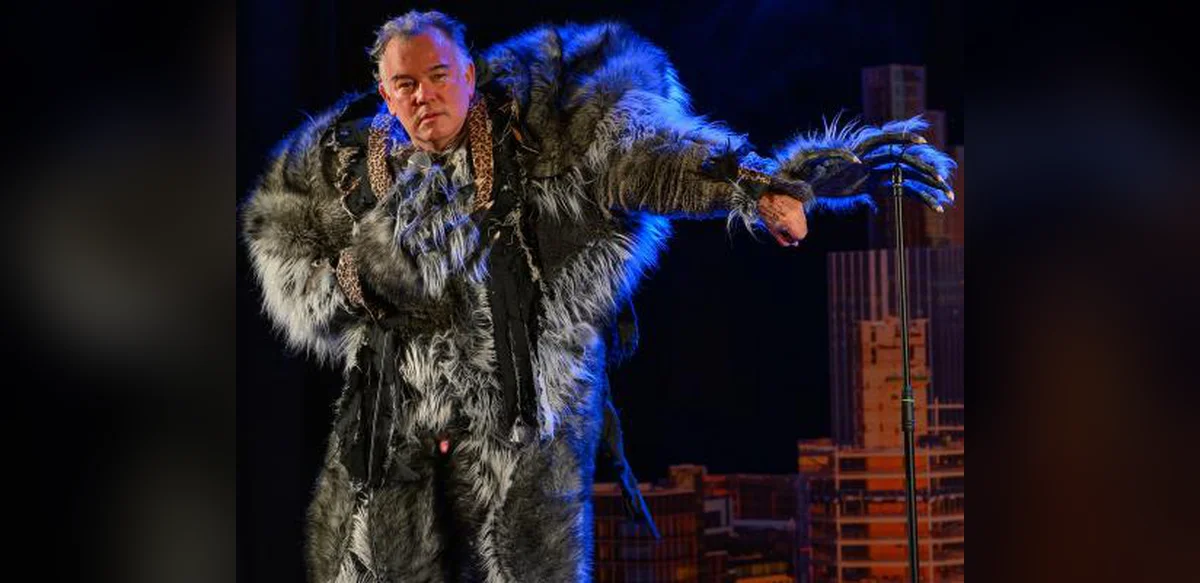
Creative professionals are grappling with these expectations from tech companies. Comedian Stewart Lee describes it as a dire predicament, having built his career without social platforms. He views those controlling communication channels as highly problematic. Without social media, directing fans to direct ticket sales—avoiding costly third-party sites—has grown challenging. For a recent London performance, his team urged him to create viral videos, but he refused, preferring to maintain an element of enigma in his work.
Success in creative fields, particularly appealing to those under 40, increasingly requires video content. Kingsley Hall, singer for the electronic-punk band Benefits from Teesside, feels compelled to participate to ensure attendance at shows, though he dislikes it. He calls it an exhausting popularity race where artists prioritize virality over their core mission.
Lee anticipates needing social media to sustain his career, despite his aversion, to prevent declining audiences. This dilemma spans creative sectors. Actor Chike Chan, known for roles in films like Batman Begins and TV series A Thousand Blows, prefers anonymity. He questions whether greater visibility leads to more opportunities or if it’s merely an attempt to secure work.
In writing, bestselling author Benjamin Myers sees it as an activity for introverts. He appreciates the enthusiasm in online book communities like BookTok but finds performative displays, such as filming emotional reactions to books, strange and at odds with reading’s private nature. Myers uses platforms like Instagram but recognizes them as commercial spaces rather than authentic ones.
The notion of someone suited only for audio roles is outdated, as radio programs now often include video elements. BBC Radio 6 Music presenter Deb Grant creates on-camera content to build recognition and authority, though she finds it uncomfortable.
Not all creatives resist; comedian Lorna Rose Treen has thrived by producing viral skits mimicking street interviews. This led to her joining a UK comedy show’s team. She values the low cost of video production for experimentation, especially as events like the Edinburgh Festival Fringe become costlier for newcomers. Her online following helps sell out performances ahead of time.