


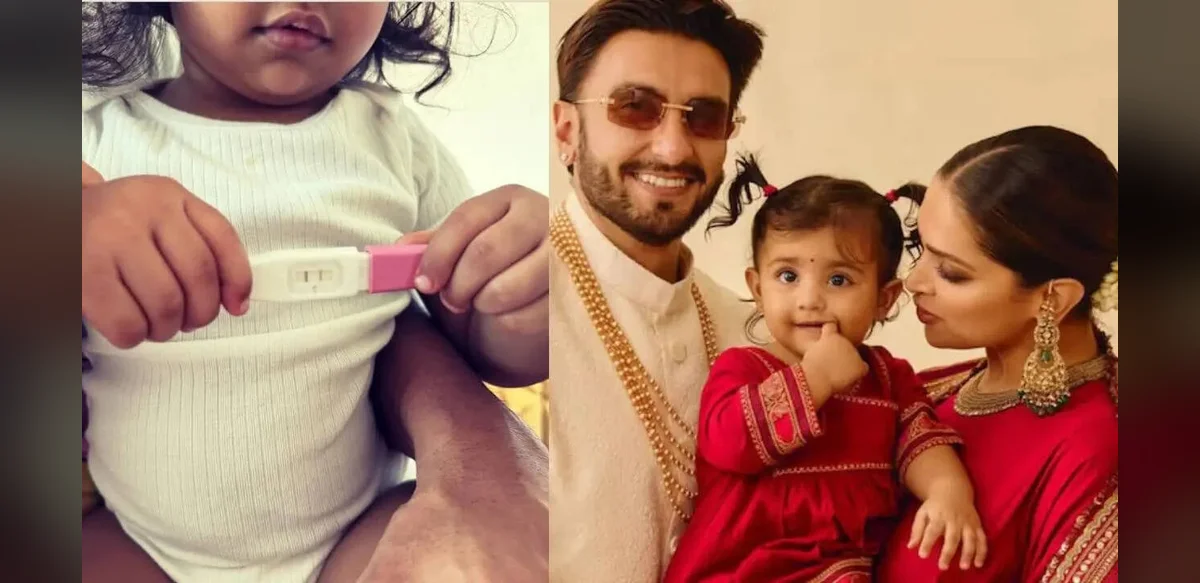
Bollywood stars Deepika Padukone and Ranveer Singh are preparing for the arrival of their second child, which means their daughter Dua will soon take on the role of older sister. This change is expected to foster important attributes in her, such as compassion, accountability, and a caring attitude, developed through everyday family interactions rather than formal lessons.
Published on February 5, 2026, at 23:15 | Exploring Parenting: Lessons Learned to Date
Elder siblings frequently exhibit these five innate qualities:
– They grasp the concept of sharing early on
– A feeling of duty emerges naturally
– They instinctively safeguard their younger siblings
– Patience builds through routine experiences
– A profound, implicit emotional connection forms
The announcement of Deepika Padukone and Ranveer Singh’s second pregnancy has evoked positive sentiments in numerous households. Their daughter Dua is poised to assume a lifelong position as the elder sibling, a role that imparts valuable insights without explicit guidance.
In various families, being the older child involves more than age difference. It encompasses subtle teachings, obligations, and affectionate gestures that often remain understated. Without a formal guide, older siblings tend to acquire specific characteristics intuitively, molded by home environments, joint playthings, and daily routines.
The initial insight frequently arises unexpectedly when a cherished item must be divided. For many older siblings, sharing becomes an immediate necessity rather than a gradual introduction.
Initially, it might involve reluctance, like a brief delay in passing an object or a hesitant expression. Gradually, however, it evolves into creating room for another person rather than merely relinquishing possession.
No formal declaration imposes responsibility on an older sibling, yet it gradually takes hold. It could begin with minor tasks, such as supervising the younger one during parental distractions, assisting with meals, or responding to simple requests to watch over them. These instances foster a lasting sense of reliability.
This awareness is not burdensome but rather a subtle recognition that their behavior impacts not only themselves but also an admiring younger family member. Such realization often molds them into trustworthy individuals in adulthood.
An protective impulse activates swiftly when an older sibling notices distress in their younger counterpart. This response is prompt and resolute.
Examples include defending against schoolyard intimidators, allocating a larger share of treats, or providing comfort during medical appointments. Over years, this guardianship strengthens in many homes, with older siblings remaining a primary source of support even in maturity. Though not always verbalized, it is consistently present.
Patience frequently arises from ordinary delays rather than major events. It develops through waiting for a younger sibling to articulate words, prepare slowly, or repeat inquiries multiple times. These recurring situations cultivate composure and forbearance quietly.
Eventually, older siblings learn to halt, attend, and reply without haste—a seemingly basic skill that proves invaluable in a hurried society.
Sibling dynamics are multifaceted, blending conflicts, joy, rivalry, and affection simultaneously.
Older siblings typically hold recollections of life prior to and following the younger one’s arrival, offering them distinctive emotional insight. They preserve milestones like initial steps, words, or school days, serving as observers to another’s development.
This connection often manifests in understated actions, such as reserving the final treat, confiding thoughts, or sharing quiet moments, rather than overt declarations.

