


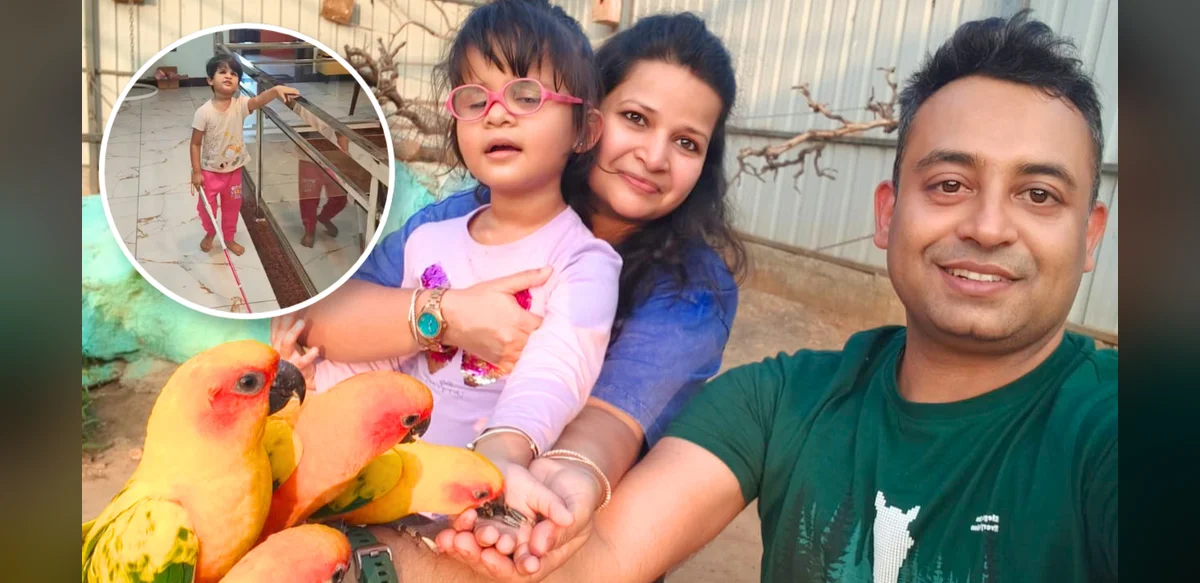
A five-year-old child named Aeny has captured widespread attention through a video showing her learning to walk with a cane. The footage has accumulated three point five million views and underscores the determination of both the child and her family. Aeny approaches the task with notable spirit as she takes steps forward while her parents provide steady encouragement. This personal journey reflects broader efforts to promote acceptance for children with disabilities.
The family resides in Bengaluru where certain forms of support exist for individuals with mobility needs. Local resources offer some assistance yet full inclusion within school environments remains an ongoing challenge. Many families in similar situations continue to advocate for equal access and rights so that every child can participate fully in educational settings. True inclusivity requires adjustments in infrastructure attitudes and policies to ensure no child is left behind.
Parents of Aeny emphasize the importance of creating environments where children can thrive regardless of physical differences. They highlight daily routines that build confidence and skills such as using the cane effectively. These efforts extend beyond the home as the family engages with community members and educators to raise awareness. The viral nature of the video has sparked conversations about the need for systemic changes in how schools accommodate diverse learners.
In Bengaluru schools often face limitations in providing tailored support for students with disabilities. Families report difficulties in securing appropriate facilities trained staff and inclusive curricula. Advocacy groups work alongside parents to push for reforms that address these gaps. The story of Aeny serves as a reminder that individual determination can draw public focus to these issues and encourage collective action.
The path toward greater inclusion involves collaboration between families institutions and policymakers. Aeny’s progress with the cane demonstrates resilience while her family’s persistence illustrates the commitment required to overcome barriers. As the video continues to circulate it brings renewed attention to the importance of equal opportunities in education and daily life for all children.
Communities across India are increasingly recognizing the value of inclusive practices. Support networks help families navigate available services and share experiences that promote understanding. For Aeny and others like her consistent encouragement at home pairs with calls for wider societal shifts. Schools that embrace diversity benefit from enriched learning environments where every student contributes uniquely.
Challenges persist in translating awareness into practical changes within educational systems. Infrastructure upgrades teacher training and policy updates represent key areas for development. The family’s experience in Bengaluru mirrors situations faced by many others seeking acceptance and fairness. By sharing their story through the widely viewed video they contribute to ongoing dialogues about disability rights and child development.
Aeny’s journey continues with steady support from her parents who remain focused on her growth and well-being. The attention generated by the video offers an opportunity to highlight both successes and remaining obstacles in achieving full inclusion. Continued advocacy aims to ensure that schools and public spaces become more accessible and welcoming for children of all abilities.
Overall the narrative centers on personal resilience and collective responsibility. It illustrates how small steps taken by a child can resonate widely and inspire discussions on important social topics. Families in similar circumstances draw strength from such examples while working toward environments that value every individual’s potential.

