


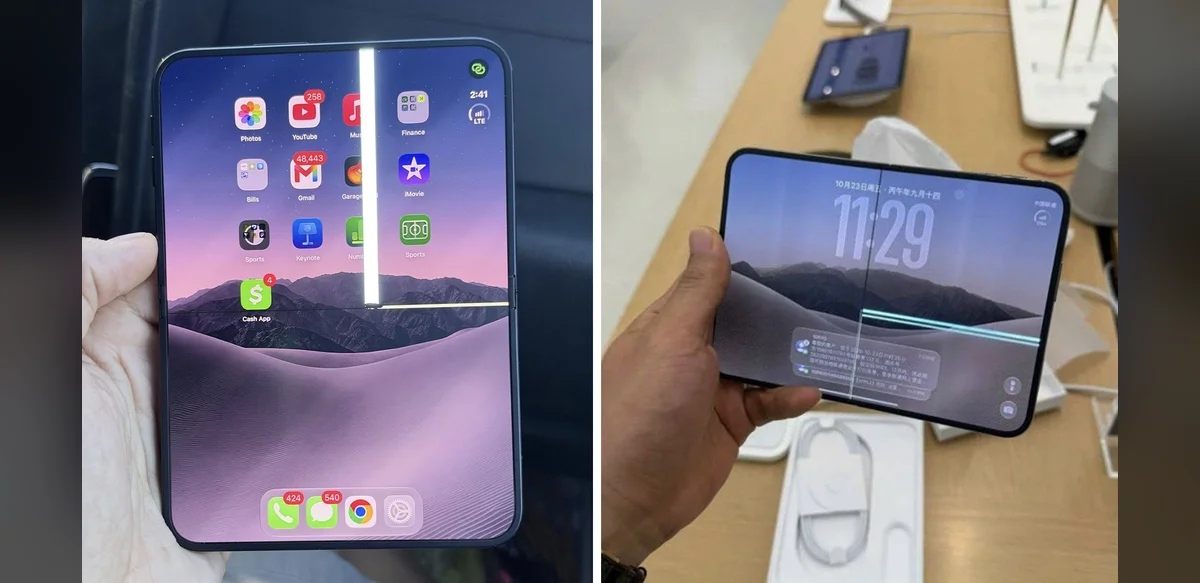
Several individuals who obtained the latest iPhone model shortly after its release have noted a recurring pattern of screen damage. The affected devices display fractures in precisely the same location, leading to questions about possible underlying causes.
Owners began sharing their observations through online forums and support channels within days of initial purchases. Each report described a thin line or series of lines appearing along one edge of the display, often without any obvious impact or drop. The uniformity across separate units has drawn attention from both users and independent repair technicians.
Technicians examining the devices have pointed to potential stress points built into the current design. The placement of internal components near the screen edge may concentrate pressure during normal handling or temperature changes. Such factors could contribute to gradual material fatigue over time.
Apple has not issued an official statement regarding these specific reports. Company representatives continue to direct customers toward standard warranty procedures for any hardware concerns. In past instances involving display issues, the firm has conducted internal reviews before determining whether broader service programs are warranted.
Users who experienced the problem described varied usage patterns. Some reported minimal handling beyond daily tasks such as calls and messaging, while others noted frequent travel with the device. Despite these differences, the damage location remained consistent, reinforcing the perception of a shared manufacturing or assembly characteristic.
Independent analysts suggest that further investigation into material selection and assembly tolerances could clarify the situation. Similar reports in earlier product generations have sometimes led to adjustments in subsequent production runs. Consumers are advised to document any visible damage thoroughly and contact support promptly to preserve warranty eligibility.
The situation highlights ongoing discussions around device durability in modern smartphones. As more units enter circulation, additional data may emerge that either confirms or dispels the current pattern. For now, affected owners are monitoring their devices closely and comparing notes with others in similar circumstances.
Repair specialists recommend avoiding extreme temperature shifts and using protective cases that distribute pressure evenly. These steps may reduce additional stress on vulnerable areas while investigations continue. No widespread recall has been announced at this stage.
Market observers note that early-adopter feedback often influences long-term product refinements. Companies frequently incorporate such input into quality-control processes for future iterations. The current reports serve as one data point among many that manufacturers track during a product lifecycle.
Individuals considering a purchase are encouraged to review recent user experiences through verified channels. Staying informed about any service updates can help prospective buyers make balanced decisions. Support resources remain available through official outlets for those already encountering difficulties.
Overall, the pattern of identical screen damage remains under observation by the user community. Continued documentation and open communication with manufacturers may contribute to clearer explanations in the coming weeks. Until then, careful handling and prompt reporting of issues represent the primary recommendations for owners.

