


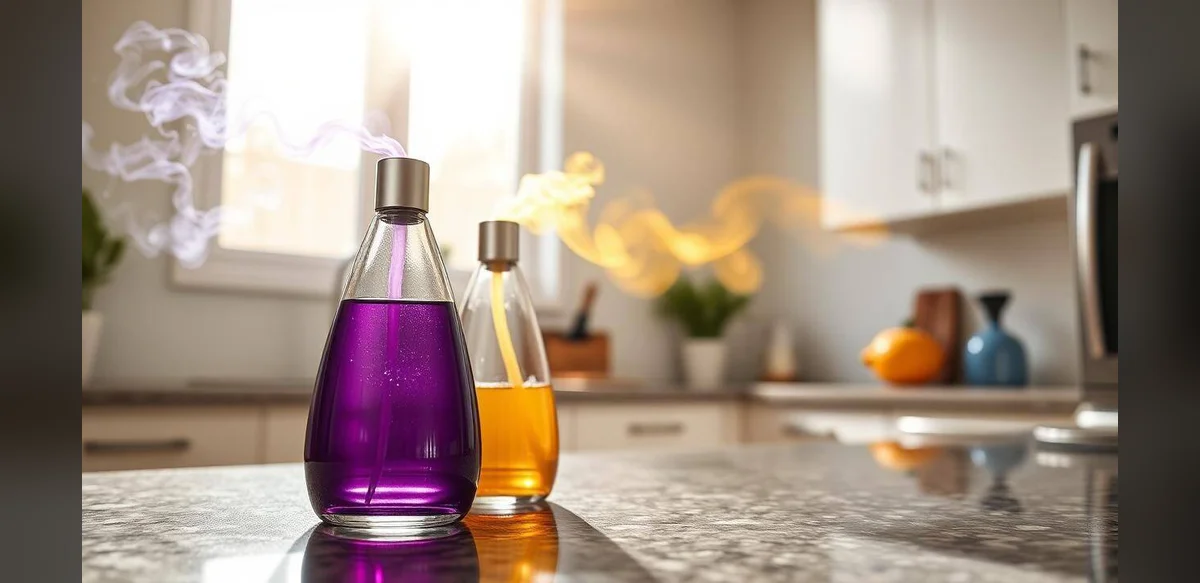
Persistent smells from cooking are a frequent issue in homes, yet air fresheners and scented candles only conceal these odors, fostering a misleading impression of cleanliness and possibly overlooking serious risks. Effective odor control involves physically or chemically eliminating the odor-producing particles, rather than simply overlaying them with artificial scents.
The Risks of Deceiving Your Sense of Smell
Insights from the NIST-AGA Joint Workshop on Odor Concealment
Options such as baking soda, activated charcoal, and enzyme-based cleaners successfully capture or break down the compounds responsible for unpleasant smells, resulting in a genuinely odor-free space.
Concealment vs. Actual Elimination
After preparing a garlic-heavy pasta dish or perfectly seared salmon, the lingering aromas in your home might seem like a minor triumph, but they actually signal an unresolved issue. Many people reach for air fresheners or candles to clear the air. However, these products have a key limitation: they do not remove the offending odor molecules from surfaces like floors or walls. Instead, they play a trick on your senses, replacing smells like stale fish with artificial notes of lavender or clean linen.
This approach to odor management deceives one of our vital senses, which humans use to detect potential hazards through distinctive scents. By overwhelming the air with synthetic fragrances, you impair this natural warning system. A comprehensive report from the workshop explains that concealment is merely a perceptual effect. The document notes that these agents do not interact chemically with or neutralize the problematic molecules; they simply interfere with nasal receptors to diminish awareness of the original odor.
The NIST findings caution that this can create a deceptive feeling of safety, causing homeowners to ignore dangerous scents hidden beneath layers of fake citrus. Beyond safety concerns, many sprays and aerosols release volatile organic compounds (VOCs) that can accumulate indoors, particularly in poorly ventilated areas. The report emphasizes that true deodorization happens only through the physical or chemical removal of odor molecules, a task beyond the capabilities of candles or sprays.
With concealment methods set aside, the question becomes how to properly eliminate kitchen odors. This starts by targeting the specific volatile compounds involved, such as amines that produce fishy scents or fatty acids linked to rancid smells. A study in Advances in Food and Nutrition Research recommends approaching the problem like food experts to maintain freshness at home. It details how unwanted odors often stem from intricate reactions between proteins and flavor elements, which can be persistent.
To counter them, use substances that absorb or decompose the molecules directly. The research advocates for physical absorbers like baking soda or activated charcoal, which bind odor particles and extract them from the air permanently, rather than introducing new scents. For buildup in drains or on cleaning tools, enzyme cleaners outperform regular soap by breaking down the organic material that fuels bacterial growth and odors at the source.
Genuine cleanliness is not about infusing the air with pine-like aromas; it is about achieving a neutral, distraction-free setting. Steer clear of quick fixes that offer only short-term results. By following guidance from NIST and Advances in Food and Nutrition Research, you can create a healthier cooking area. While it may require extra effort, such as cleaning drains or adding charcoal filters, the benefits are substantial.

