


In 2017 the state of Iowa carried out a large-scale effort to improve the energy performance of residences occupied by lower-income households. The initiative reached 1,200 homes and focused on practical measures that reduce heat loss and improve heating reliability.
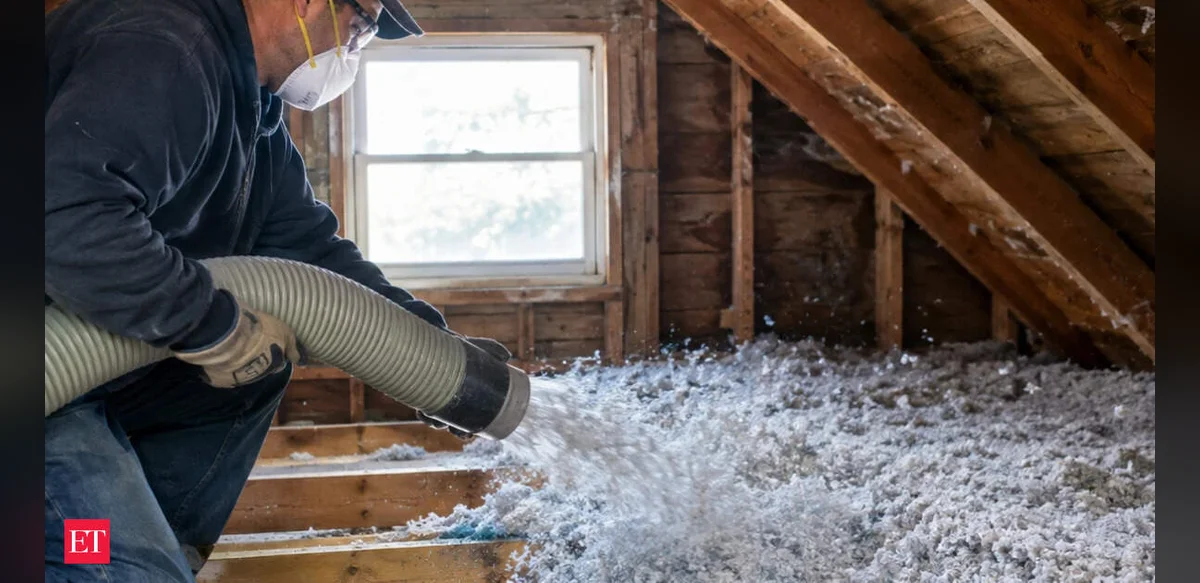
Program records show that attic insulation was added in 80 percent of the participating dwellings. This step addresses one of the most common sources of energy waste in older housing stock by limiting the escape of warm air through the roof. In addition, new heating equipment was installed in 64 percent of the homes, replacing older units that often operated at lower efficiency.
Households that received these improvements reported average annual energy cost reductions of 290 dollars. The savings reflect lower consumption of fuel or electricity for space heating during colder months. Beyond the financial benefit, the upgrades contributed to more consistent indoor temperatures and reduced the likelihood of equipment-related safety issues.
The work was coordinated through an established assistance framework that targets homes where residents face higher energy burdens relative to income. By concentrating on insulation and heating systems, the program delivered measurable results within a single calendar year. Officials noted that the combination of attic sealing and equipment replacement produced the observed savings without requiring extensive structural changes to the buildings.
Data collected after completion indicated that the majority of homes experienced noticeable improvements in energy retention. The 80 percent rate of attic insulation and the 64 percent rate of heating equipment replacement together accounted for the bulk of the reported efficiency gains. These percentages illustrate the scope of the intervention across the 1,200 properties.
The average yearly saving of 290 dollars per household represents a direct reduction in operating costs. For families with limited budgets, such amounts can ease pressure on monthly expenses during peak heating seasons. The program also emphasized safety enhancements that accompany newer heating installations, including better ventilation and control systems.
Overall, the 2017 effort demonstrated how targeted building improvements can yield both economic and practical advantages for residents. The documented outcomes provide a clear record of participation levels, measure adoption rates, and resulting cost reductions. Future evaluations may compare these figures with subsequent program years to assess consistency and long-term performance.
The initiative remained focused on existing housing rather than new construction, allowing resources to reach properties already in use by qualifying households. By limiting the scope to insulation and heating upgrades, administrators kept the work straightforward and achievable within the annual cycle. The resulting data set offers a factual basis for understanding the scale of impact achieved in that period.

