


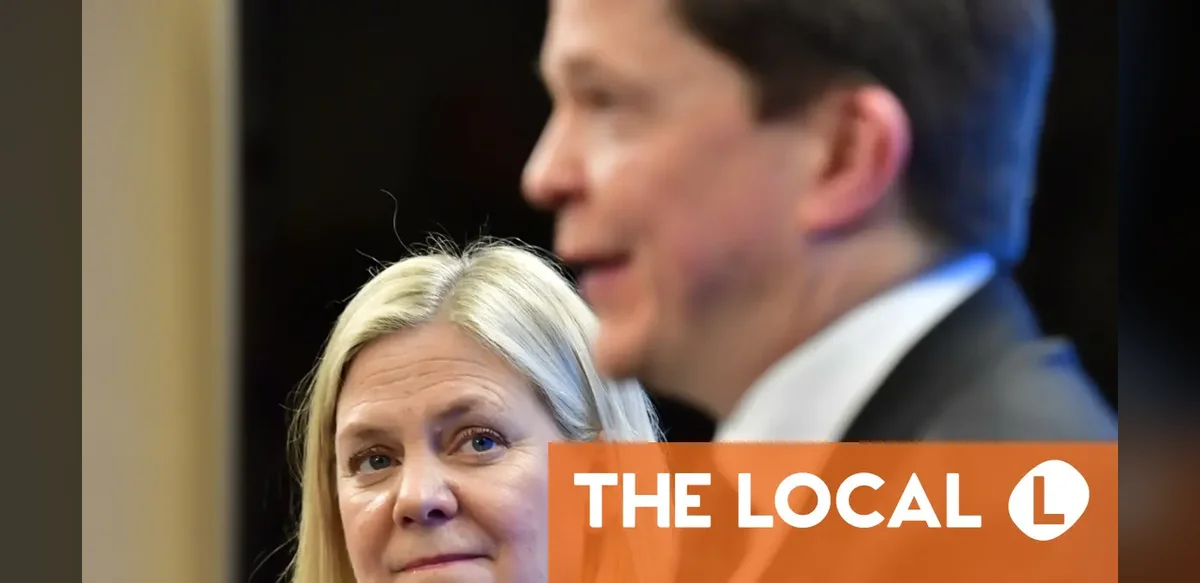
The Swedish parliament is moving forward with the procedure to select a new prime minister after the current officeholder asked to step down. The speaker of the house has begun reaching out to leaders of various political parties for separate discussions scheduled throughout the day.
These individual sessions are a standard part of the constitutional process when a change in government leadership occurs. Each party leader will have the opportunity to present their views and preferences regarding potential candidates for the position.
The first meeting is set with the leader of the Social Democrats. Subsequent conversations will follow with representatives from other parties represented in the Riksdag. The speaker aims to gather sufficient information to propose a candidate who can secure the necessary support.
Observers note that the timeline for completing the appointment process depends on the outcomes of these consultations. If a viable candidate emerges quickly, the speaker may put forward a name for a vote in the chamber within days. Should no clear consensus appear, additional rounds of talks could extend the period.
The current situation follows established procedures outlined in the Swedish constitution. The speaker holds the responsibility of initiating and overseeing the nomination process to ensure continuity in government functions.
Political analysts emphasize the importance of these private meetings in allowing frank exchanges away from public scrutiny. Party leaders can discuss coalition possibilities, policy priorities, and any conditions they might attach to supporting a particular nominee.
Public interest remains high as the country awaits clarity on who will lead the next government. Media outlets are monitoring developments closely, though official statements have been limited to confirming the schedule of meetings.
The speaker has indicated that the process will proceed methodically to respect parliamentary traditions. No specific dates for a final vote have been announced yet, as the focus stays on completing the initial round of consultations.
This transition period highlights the role of the speaker as a neutral facilitator in Swedish politics. The office works to balance the interests of all parties while advancing the formation of a stable administration.
Further updates are expected once the meetings conclude and the speaker assesses the level of support for potential candidates. The entire sequence adheres strictly to legal requirements designed to prevent prolonged uncertainty in leadership.

