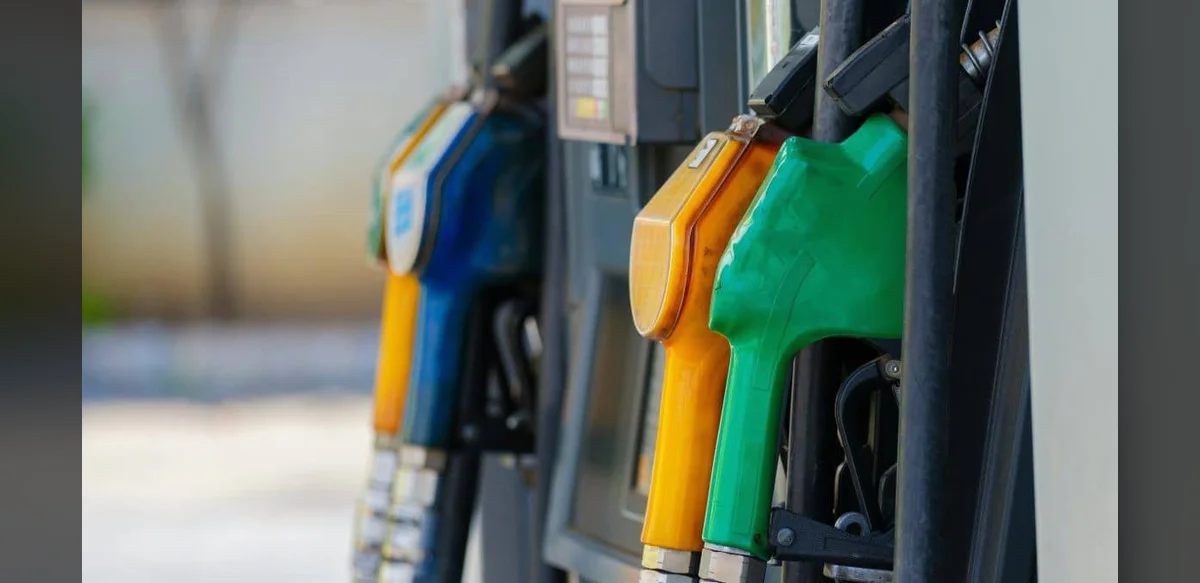
Drivers seeking to skip ethanol-blended petrol can choose 100 percent pure fuel but must accept a substantial extra charge. Union Road Transport and Highways Minister Nitin Gadkari made this point during ongoing national discussion over the required introduction of E20 petrol. The change, which mixes 20 percent ethanol into ordinary petrol, has raised concerns among owners after online reports cited possible drops in mileage and harm to older engines. The government noted that ethanol’s lower energy content can cause a small loss in efficiency in certain situations. In urban stop-and-go traffic the difference stays minor. On highways a 3 to 5 percent reduction may appear at steady high speeds. Officials rejected broad claims of engine damage and asked for documented cases linked to approved E20 fuel. Domestic makers such as Maruti Suzuki and Hero MotoCorp supported the rollout, reported no unusual issues, and confirmed that standard warranties stay valid. Regular unleaded petrol at most public stations now contains up to 20 percent ethanol. Pure options exist only in premium grades. Standard E20 sells at normal prices. 95-octane petrol has reduced ethanol in some areas. 100-octane fuels like XP100 hold almost no ethanol yet cost 167 to 170 rupees per litre in major cities, about 60 percent above regular fuel. Opposition groups have called for pure petrol at ordinary pumps to aid older vehicles.