


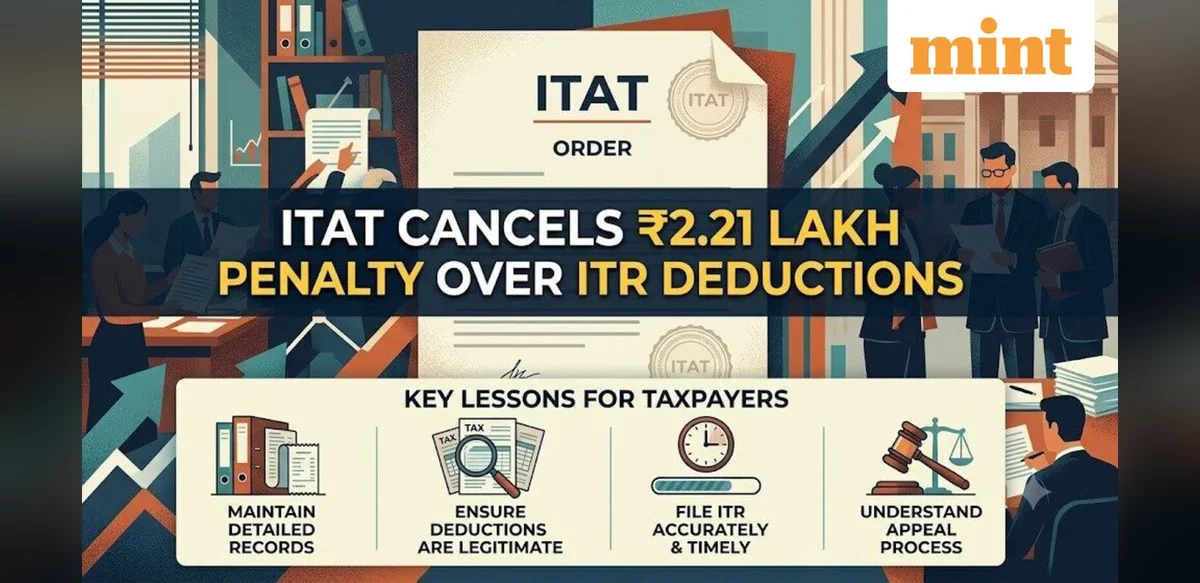
In a recent decision from the Income Tax Appellate Tribunal in Pune, authorities have set aside a financial penalty amounting to two lakh twenty one thousand rupees that had been levied on an individual taxpayer employed in a salaried position. The ruling came after the person concerned updated their income tax return filing to address inaccuracies in claimed deductions and subsequently settled the resulting additional tax along with applicable interest charges.
The tribunal examined the circumstances surrounding the initial submission and noted that the corrections were made voluntarily once the discrepancies were identified. This action demonstrated a willingness to comply with regulatory requirements without delay. As a result, the penalty was deemed unnecessary in light of the proactive steps taken by the taxpayer.
Such cases underscore the value of thorough verification when preparing annual tax documents. Salaried employees often rely on automated systems or third party assistance for their filings, which can occasionally lead to unintended mistakes in reporting allowable reductions. Addressing these issues early helps avoid escalation and maintains a clean compliance record.
The process of revising a return involves submitting updated details through the designated online portal managed by the revenue department. Once accepted, the revised figures form the basis for recalculating liabilities. Payment of any outstanding amounts including interest signals good faith and can influence outcomes in subsequent reviews or appeals.
Tribunals like the one in Pune serve as an independent forum where disputes between taxpayers and assessing officers are examined on merit. Decisions in these venues frequently emphasize the intent behind errors rather than applying punitive measures automatically. When evidence shows that inaccuracies were not deliberate and were rectified promptly, relief is commonly granted.
For individuals navigating the complexities of tax obligations, this outcome serves as a reminder to cross check entries related to exemptions and reductions before final submission. Common areas prone to oversight include claims for investments, medical expenses, or housing related benefits. Consulting official guidelines or seeking clarification from authorized sources can minimize risks.
Broader implications of the ruling extend to similar situations faced by other salaried persons across the country. It highlights how administrative bodies balance enforcement with fairness, encouraging voluntary corrections over strict imposition of fines. This approach fosters greater trust in the system and promotes higher rates of accurate reporting over time.
Taxpayers are advised to retain all supporting documents for a reasonable period after filing. These records prove essential if questions arise during assessment or if revisions become necessary. Digital storage solutions offered by the department further simplify access and retrieval when needed.
In summary, the Pune tribunal decision illustrates the benefits of timely self correction in tax matters. By updating filings and clearing dues, the employee avoided lasting penalties and set a positive precedent for others in comparable circumstances. Continued emphasis on accuracy and prompt action remains key to smooth interactions with revenue authorities.


