


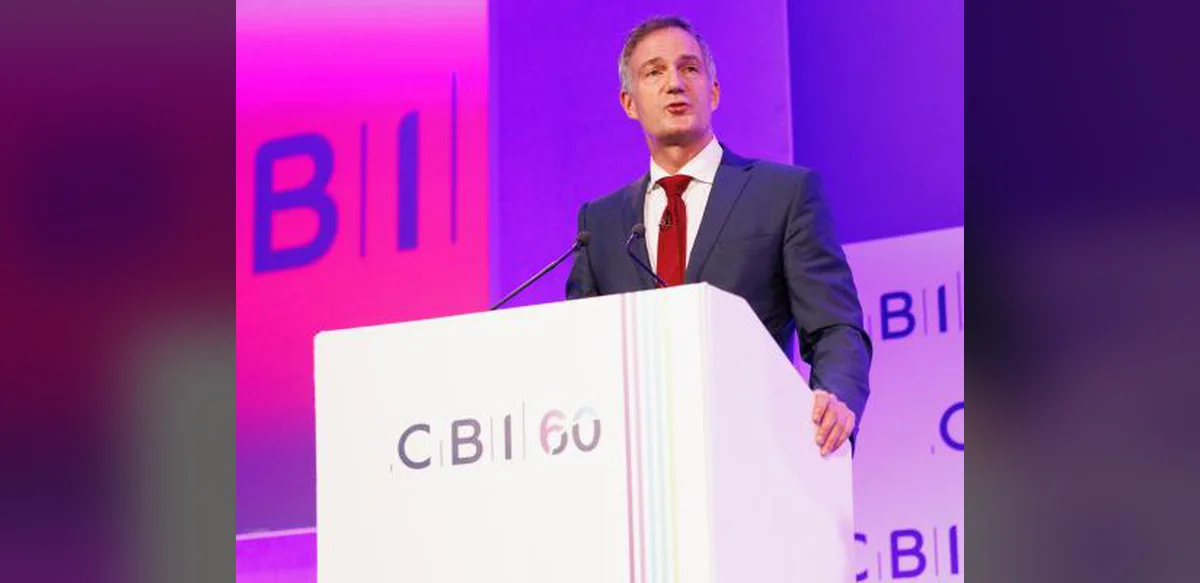
Business Secretary Peter Kyle appears influenced by major tech successes when launching a new concierge service this week to help fast-growing firms cut through government red tape. The official statement described the initiative as part of his effort to help create Britain’s first trillion-dollar company. That target equals roughly £750 billion, far above the London Stock Exchange’s largest firm, HSBC, valued at £235 billion, or Arm Holdings at £280 billion.
Such statements might be viewed as routine political optimism. European officials have often noted that most trillion-dollar technology companies have arisen in the United States, with limited examples from South Korea and Taiwan. Concerns arise, however, when Kyle discusses greater risks with public funds through the British Business Bank and the National Wealth Fund, both recently given additional Treasury support.
Kyle told the Sunday Times that officials would raise their risk threshold to support British innovation. Two issues stand out. The reference to “us” raises questions about politicians or civil servants acting as investment managers, a role outside their remit. The BBB and NWF receive Treasury money but are expected to operate independently on lending and equity decisions.
The word “aggressively” also clashes with the institutions’ stated approach. The BBB emphasizes alignment with private-sector investment standards. Its largest recent commitment was £100 million to Oxford Quantum Circuits, a follow-on stake rather than a new venture. While some allocations have drawn questions, the quantum investment fits an established pattern.
Kyle has rejected suggestions of a return to 1970s-style industrial policy, arguing that passive approaches to British industry are finished. The BBB and NWF focus on early-stage funding gaps rather than rescuing failing companies. Much of their work, including loans for small modular reactors, continues long-standing government activities under new labels.
Their broader aim is to improve financing access for young British firms and infrastructure projects. This goal addresses complaints from business leaders about capital shortages. Yet Kyle’s emphasis on bold bets and trillion-dollar targets risks overstating the agencies’ scope. Their core activity remains lending and co-investing alongside private funds under disciplined criteria. Maintaining that focus would better match the original rationale for expanding these vehicles.

