


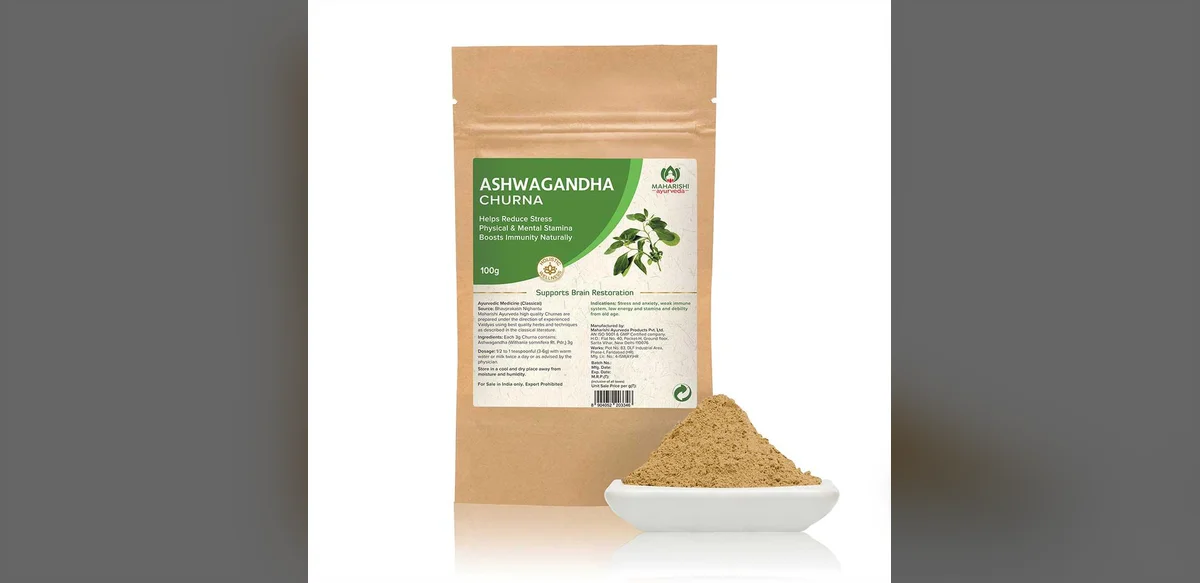
Ashwagandha, known scientifically as Withania somnifera, ranks among the most respected Rasayana herbs in traditional Ayurvedic practice. For centuries it has been employed to promote vitality, build resilience, encourage restful sleep, and support general wellbeing. This overview covers its historical applications, recommended intake, safety considerations, key compounds, and findings from contemporary studies.
Key Characteristics
Botanical name: Withania somnifera. Ayurvedic category: Rasayana. Sanskrit name: Ashwagandha. Common preparations: powder, tablets, or capsules. Traditional purposes: vitality, stress resistance, sleep quality, and physical strength. Dosha influence: traditionally balances Vata and Kapha. Preferred timing: taken with meals or according to practitioner guidance.
Background and Recognition
The term Ashwagandha translates as “smell of a horse,” reflecting both its distinctive scent and reputed strength-enhancing qualities. The plant grows in arid zones of India, North Africa, and West Asia, where it has long featured in powdered and liquid remedies. Scientific evaluations, including statements from the National Institutes of Health, indicate that six to eight weeks of use can reduce reported stress, anxiety, fatigue, and sleep difficulties while lowering stress-related hormone levels. In Ayurvedic tradition the herb is viewed as supporting overall balance among Vata, Pitta, and Kapha.
Nutrients and Active Elements
The root contains volatile oils and alkaloids such as withaniol, hentriconate, and somniferin.
Potential Effects on Mental Focus
The herb is associated with improved mental clarity and concentration. Its calming properties may ease anxiety and stabilize mood for individuals managing everyday pressures.
Support for Male Vitality
Ashwagandha is often described as aiding male energy and stamina, potentially benefiting physical performance and addressing concerns related to sexual debility.
Support for Female Wellbeing
It may assist in moderating hormonal changes, easing premenstrual discomfort, and promoting reproductive health. Traditional use with ghee has addressed conditions such as leucorrhoea.
Immune and Inflammatory Response
Regular intake is linked to strengthened immune defense and reduced inflammation, offering possible relief for joint discomfort and improved mobility.
Weight Considerations
The herb is noted for its nourishing qualities, making it suitable whether the goal is weight gain or maintenance.
Use in Children
Because of its nourishing and rejuvenative properties, Ashwagandha may support healthy weight gain in children when administered traditionally with milk and ghee.
Daily Incorporation
Mixed with warm milk before bed, the powder may promote relaxation and better sleep. Combined with ghee, it is traditionally used to support weight gain.

