


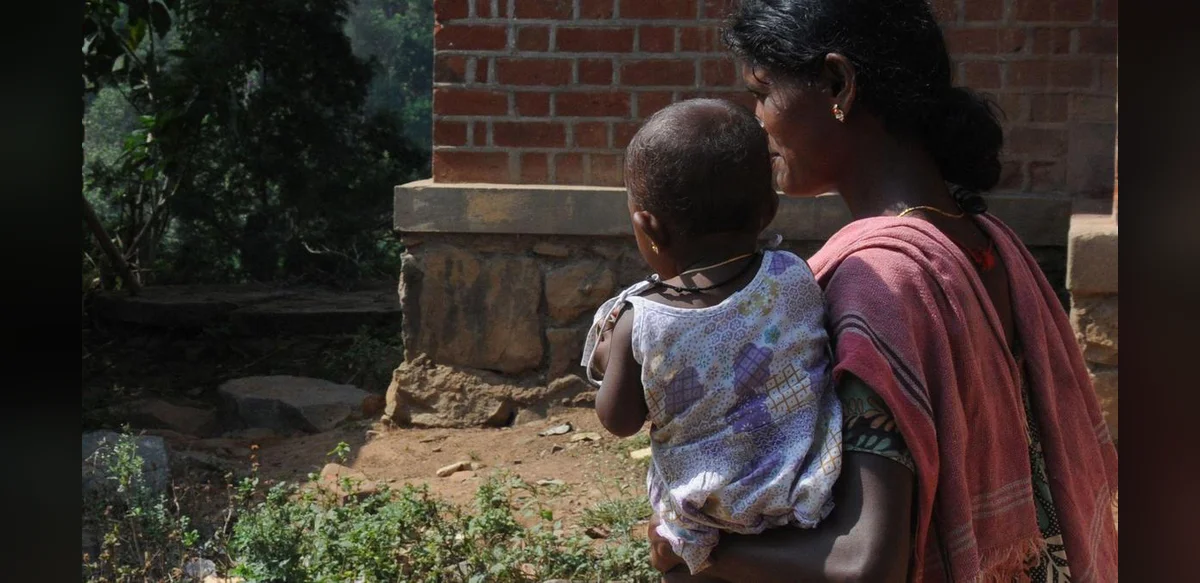
Recent reports indicate that twelve infants have died in the Attappady region this year, with ten of those cases involving tribal communities. The figures have prompted discussion among local authorities and advocacy groups, leading the state government to initiate an expert investigation into the circumstances.
Officials have described the probe as a step toward understanding the factors contributing to these outcomes. The inquiry is expected to examine available health services and identify areas where additional support may be required. Political responses have varied, with some leaders calling for immediate reviews of existing programs while others emphasize the need for sustained monitoring.
Community representatives from tribal areas have pointed out that the situation involves more than medical facilities alone. They note concerns related to nutrition levels, cases of anaemia among mothers and children, and broader social conditions that affect daily life in the region. These activists argue that solutions should address multiple interconnected issues to produce lasting improvements.
Health workers in the area have been working to provide regular checkups and distribute supplements where possible. Despite these efforts, access to consistent care remains difficult in remote locations due to terrain and limited infrastructure. Families often travel long distances for specialized attention, which can delay timely intervention.
The state administration has stated that the expert team will collect data from local clinics and households to build a clearer picture. Findings from the review are anticipated to guide future resource allocation and program adjustments. In the meantime, additional medical personnel have been deployed to strengthen outreach activities.
Advocacy organizations continue to stress the importance of community involvement in planning responses. They suggest that incorporating local knowledge about traditional practices and living conditions could help tailor interventions more effectively. Discussions have also touched on the role of education and economic opportunities in supporting overall family well-being.
Public health observers note that infant mortality rates in certain pockets of the country have shown gradual declines over the past decade, yet disparities persist in specific districts. Attappady serves as an example where geographic isolation and demographic factors intersect with service delivery challenges. Continued data collection will be essential to track progress.
Government statements have reiterated a commitment to addressing the root contributors through coordinated action across departments. This includes collaboration between health, social welfare, and nutrition programs. Monitoring mechanisms are being reviewed to ensure that early warning signs receive prompt attention.
Local residents have expressed hope that the current focus will translate into concrete changes. Many families rely on government schemes for supplementary nutrition and antenatal care, and improvements in delivery of these services could make a difference. The coming months are likely to see further assessments and possible adjustments based on the expert findings.
Overall, the events in Attappady underscore the complexity of health outcomes in tribal regions. While immediate medical responses are underway, longer-term strategies that integrate social support appear necessary according to multiple stakeholders. The investigation ordered by the state is positioned as one component of a wider effort to reduce such incidents in the future.

