


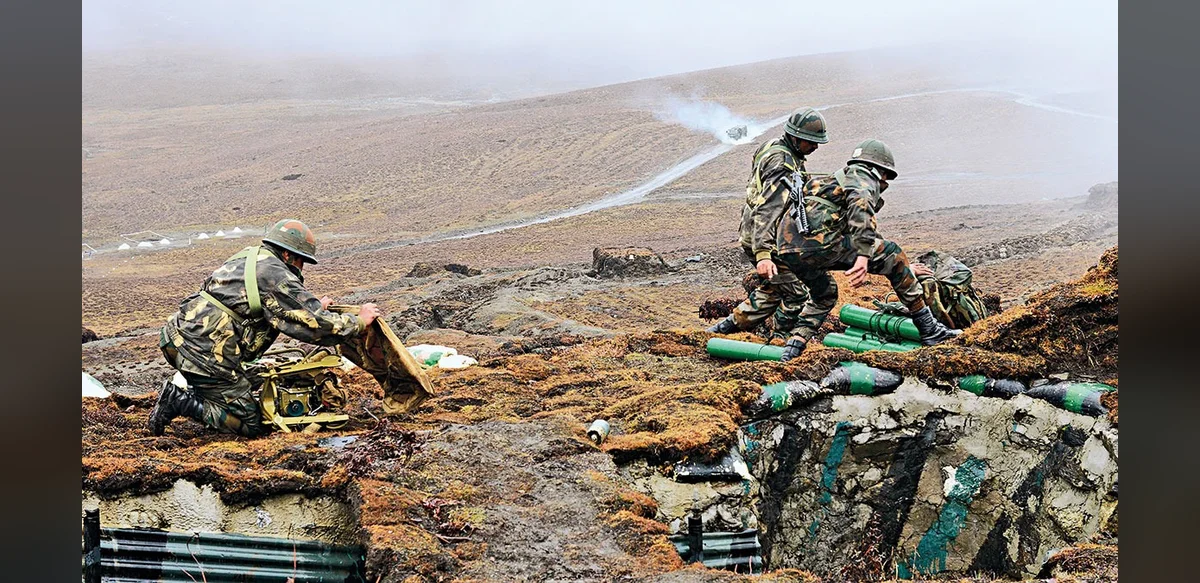
Recent developments along the India-China border in Arunachal Pradesh have drawn renewed attention to longstanding territorial disputes. Chinese authorities have reportedly intensified infrastructure projects and increased military presence in areas claimed by both nations. These actions come amid ongoing diplomatic efforts to manage tensions following previous clashes.
Indian officials have expressed concern over the construction of roads, bridges, and other facilities near the Line of Actual Control. Such activities are viewed as attempts to alter the status quo in the region. The state of Arunachal Pradesh, which China refers to as part of southern Tibet, remains a focal point in bilateral relations.
Historical context plays a significant role in the current situation. The border dispute dates back decades, with differing perceptions of the boundary line established during colonial times. Multiple rounds of talks between the two countries have sought to clarify positions, yet progress has been limited.
In response, India has accelerated its own development initiatives in the northeastern states. This includes improving connectivity through highways and enhancing surveillance capabilities along the frontier. Local communities in Arunachal Pradesh have been affected by these heightened activities, with reports of restricted movement in certain zones.
International observers note that the situation could impact broader regional stability. Neighboring countries monitor the developments closely due to potential spillover effects on trade routes and security arrangements. Both India and China have reiterated commitments to peaceful resolution through dialogue.
Analysts suggest that recent Chinese maneuvers may be linked to domestic priorities and strategic positioning. Infrastructure buildup allows for quicker troop mobilization if needed. At the same time, India maintains that any unilateral changes to the ground situation are unacceptable.
The economic dimension adds another layer. Arunachal Pradesh holds resources and strategic value that both sides recognize. Development projects on either side aim to assert administrative control while providing benefits to residents.
Diplomatic channels remain active despite the friction. High-level meetings continue to address specific friction points and explore confidence-building measures. These include protocols for border personnel to avoid misunderstandings during patrols.
Public statements from both governments emphasize the need for calm. Media coverage in India highlights the challenges faced by security forces in difficult terrain. Chinese state media frames the activities as routine development within its territory.
Looking ahead, sustained engagement will be essential to prevent escalation. Past agreements on maintaining peace and tranquility along the border provide a framework, though implementation varies. The involvement of other global actors could influence outcomes if tensions rise further.
Local governance in Arunachal Pradesh focuses on balancing security needs with civilian welfare. Investments in education, health, and tourism are promoted alongside defense enhancements. Residents express hopes for lasting peace that allows normal life to continue uninterrupted.
Overall, the dynamics in this border region reflect wider patterns in India-China interactions. Managing differences while pursuing economic cooperation remains a delicate task for policymakers on both sides. Continued vigilance and communication are seen as key to avoiding unintended incidents.

