


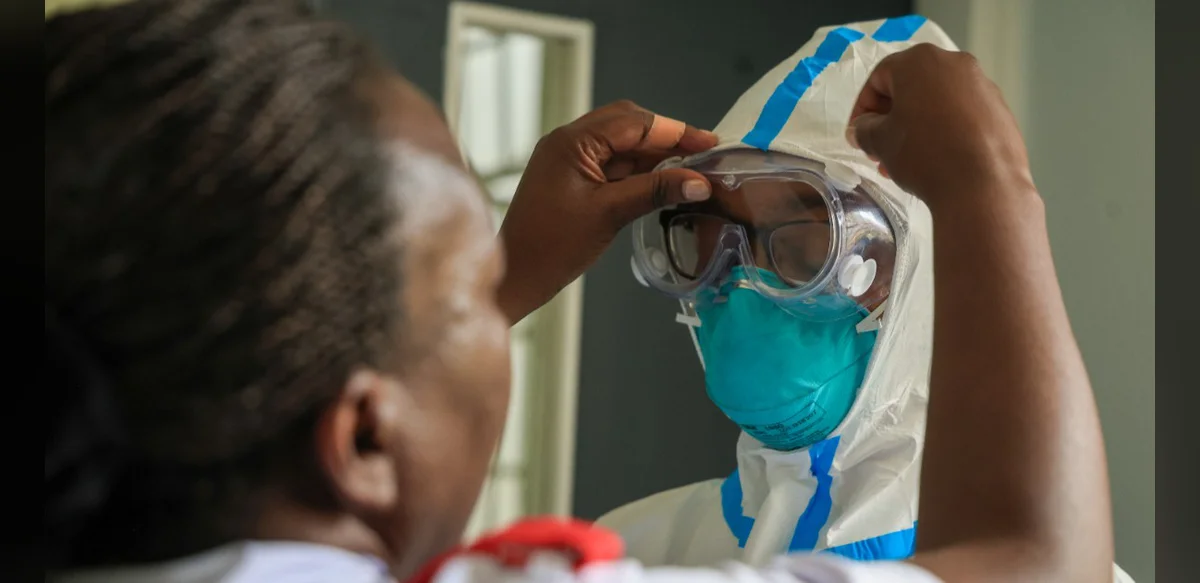
Kenya’s health authorities have confirmed a second death from Ebola in the country. The victim was a 65-year-old woman who was a close relative of the first confirmed patient. Officials stated that she developed symptoms while under quarantine and passed away on Friday.
The announcement came from the Ministry of Health in Nairobi. According to the statement, the woman started showing signs of illness approximately ten days before her death. She had been placed in isolation as a precautionary measure after the initial case was identified.
Health officials emphasized that the situation remains under close watch. Medical teams are providing supportive care to those affected and monitoring contacts to prevent further spread. The ministry noted that early detection and isolation are key to controlling the outbreak.
Ebola is a severe viral illness that can lead to high fatality rates if not managed promptly. Symptoms often include fever, fatigue, and in some cases bleeding. Transmission occurs through direct contact with bodily fluids of infected individuals.
Kenya has activated its emergency response protocols following the first case. Hospitals in affected regions have been placed on alert, and additional resources have been allocated to screening points at borders and airports. Public health campaigns are underway to educate communities about prevention measures such as hand hygiene and avoiding contact with suspected cases.
International health organizations are collaborating with local teams to strengthen laboratory capacity and supply necessary protective equipment. Training sessions for frontline workers have been intensified to ensure proper handling of potential cases.
The ministry urged the public to remain calm and report any symptoms immediately to health facilities. Officials stressed that most contacts are being followed up daily and that no widespread community transmission has been detected so far.
Further updates will be provided as investigations continue. The focus remains on containing the virus and supporting affected families through counseling and medical assistance.
This development highlights the importance of robust surveillance systems in East Africa. Neighboring countries have also been notified and are enhancing their own preparedness measures.
Health experts continue to study the virus strain involved to determine its origin and potential mutations. Research efforts are supported by global partners to improve future response strategies.
Community engagement plays a vital role in these efforts. Local leaders are being involved to build trust and encourage cooperation with health workers.
Overall, the response aims to balance rapid action with respect for cultural practices and individual rights. Authorities remain committed to transparency and timely communication with the public.

