


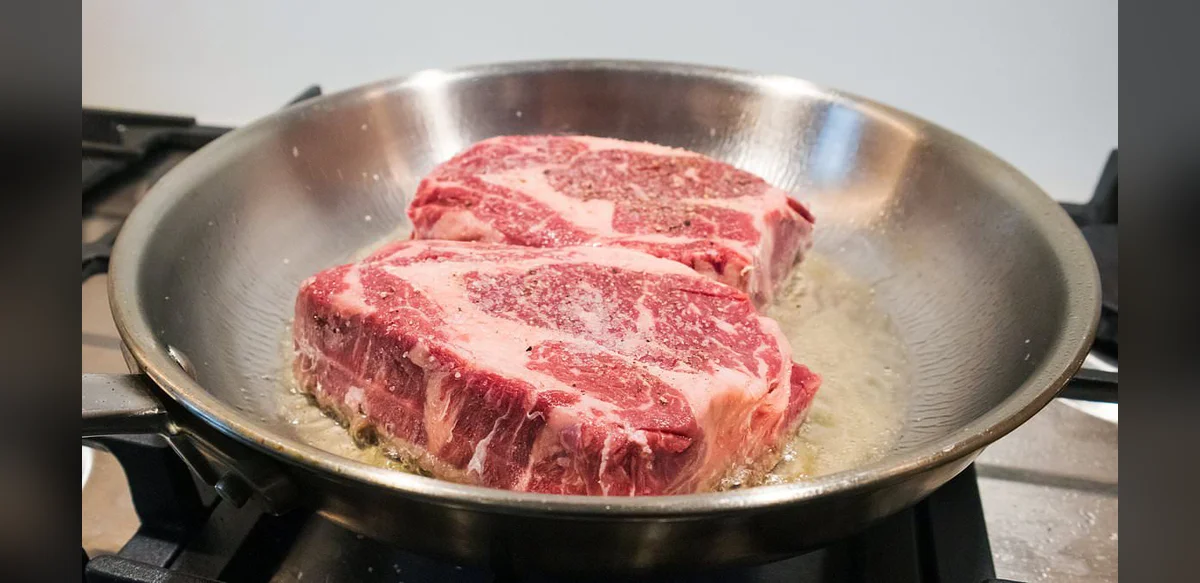
Recent investigations into dietary patterns have revealed an association between elevated consumption of meat and dairy items and reduced testosterone concentrations among adult males. The analysis reviewed eating habits alongside hormone assessments from participants, highlighting a trend where greater reliance on these food sources corresponded with lower hormone readings.
Testosterone serves essential functions in male physiology, supporting muscle development, vitality, and metabolic processes. Identifying dietary elements that may relate to its regulation remains a topic of interest within nutritional science. The observed pattern prompts consideration of how protein sources from animal origins might interact with endocrine activity over time.
Experts emphasize that correlation does not imply direct cause and effect. Multiple influences including physical activity, body composition, sleep quality, and total energy balance likely play roles in hormone variation. Individuals seeking to understand personal levels are encouraged to consult healthcare providers for comprehensive evaluation rather than relying solely on dietary adjustments.
Public health discussions often address balanced nutrition that incorporates diverse food groups. Incorporating vegetables, fruits, legumes, and grains can contribute to overall dietary variety while moderating portions of meat and dairy. Such approaches align with general guidelines promoting sustainable eating practices.
Ongoing research continues to examine potential mechanisms linking specific nutrients to hormone production. Future investigations may clarify whether modifications in food selection yield measurable impacts on testosterone or related health markers. Until then, awareness of these preliminary associations supports informed decision making about daily meals.
Broader implications touch on wellness education, where understanding connections between common foods and bodily functions aids in promoting proactive health management. Men monitoring their well-being might track both diet and symptoms, discussing findings with professionals to tailor approaches suited to individual needs.
The study adds to existing literature on nutrition and endocrinology without claiming definitive outcomes. It underscores the value of large-scale data in identifying trends that warrant deeper exploration. Readers are advised to view such reports as part of an evolving scientific conversation rather than conclusive advice.
In summary, the link between increased meat and dairy intake and lower testosterone appears in the data examined, inviting further inquiry into dietary influences on male hormone profiles. Maintaining a varied and moderate eating plan remains a widely recommended strategy for supporting general health.

