


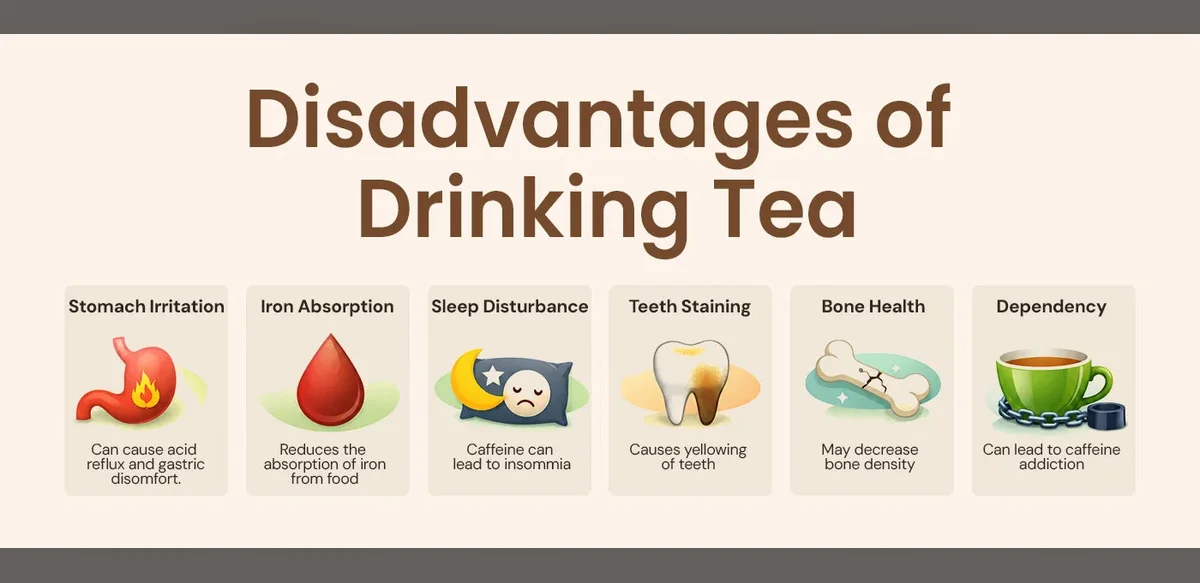
Tea remains one of the most widely consumed beverages globally, valued for its flavor, warmth, and role in daily routines. However, some individuals report experiencing acidity, heartburn, or throat discomfort after drinking it. The connection between tea and these symptoms depends on several factors rather than a universal effect.
Caffeine present in many teas can relax the lower esophageal sphincter, a muscle that normally prevents stomach acid from rising into the esophagus. When this occurs, acid reflux symptoms may appear. Additional contributors include tea strength, total quantity consumed, individual digestive sensitivity, and whether the beverage is taken on an empty stomach. People with a history of reflux or specific body constitutions may notice greater sensitivity.
The impact varies widely. A weak cup consumed with food differs markedly from multiple strong servings drunk without anything else. Timing also matters, as late-day intake can coincide with lying down and potentially worsen reflux.
Caffeine sensitivity plays a central role. Moderate amounts may cause issues for some while leaving others unaffected. Those already managing acid reflux often find even small quantities problematic, highlighting the importance of personal response over general rules.
Drinking tea without food allows its acidic and caffeine compounds to contact the stomach lining directly. This effect can intensify with certain spice blends that carry warming properties, which some traditions associate with increased inflammation in sensitive individuals.
Strong or frequently consumed tea tends to raise symptom risk compared with lighter, occasional servings. Brewing duration influences tannin release, which can further stimulate gastric activity. Shorter steeps and smaller portions help limit these outcomes.
Varieties differ in their profiles. Green tea contains less caffeine than black tea yet can still trigger symptoms in larger or repeated amounts. Black tea, being fully oxidized, carries higher caffeine and tannin levels, making it more likely to relax the esophageal sphincter and increase acid production in susceptible people.
Lemon tea receives mixed consideration. The sour quality of lemon may aggravate rather than soothe reflux in those prone to excess acidity. Alternatives such as rose-based or licorice infusions are viewed in certain systems as cooling options that may ease burning sensations.
Ginger tea offers digestive support for bloating or heaviness after meals but may not suit active acid concerns due to its warming nature. Cumin, coriander, and fennel seed blends provide a milder approach that gently aids digestion without strong stimulation.
Tulsi and other non-caffeinated herbal infusions generally present fewer irritants than traditional teas. Preparation methods matter: shorter steeping reduces compound extraction, and pairing with food buffers potential effects. Avoiding very hot temperatures also protects the esophageal lining.
Common scenarios that heighten risk include empty-stomach consumption, excessive daily intake, late-night drinking, and addition of warming spices or citrus. Extended brewing concentrates tannins and other elements that may stimulate acid.
Traditional frameworks such as Ayurveda interpret acidity through individual constitution and digestive strength. Excess sourness or heat in diet and habits can disturb balance, with tea forming one part of broader patterns. Constitution types respond differently, so what suits one person may not suit another.
Timing recommendations suggest waiting after meals before consuming tea to avoid interference with nutrient absorption. Moderation, awareness of personal triggers, and adjustments like reduced spice additions support more comfortable intake.
When symptoms persist or intensify, including dizziness, severe burning, cough, or abdominal pain, professional medical evaluation becomes advisable beyond dietary adjustments alone. Overall digestive health benefits from consistent habits tailored to individual needs.


