


A webinar focused on practical advice for maintaining good posture amid contemporary routines is scheduled to take place on October 25. The session aims to address how everyday behaviors influence spinal health and to share actionable strategies for reducing discomfort.
Modern lifestyles often involve prolonged sitting, repetitive movements, and limited physical activity, all of which can place strain on the back and neck. The upcoming event will examine these factors in detail, highlighting connections between routine habits and common issues such as stiffness or persistent discomfort.
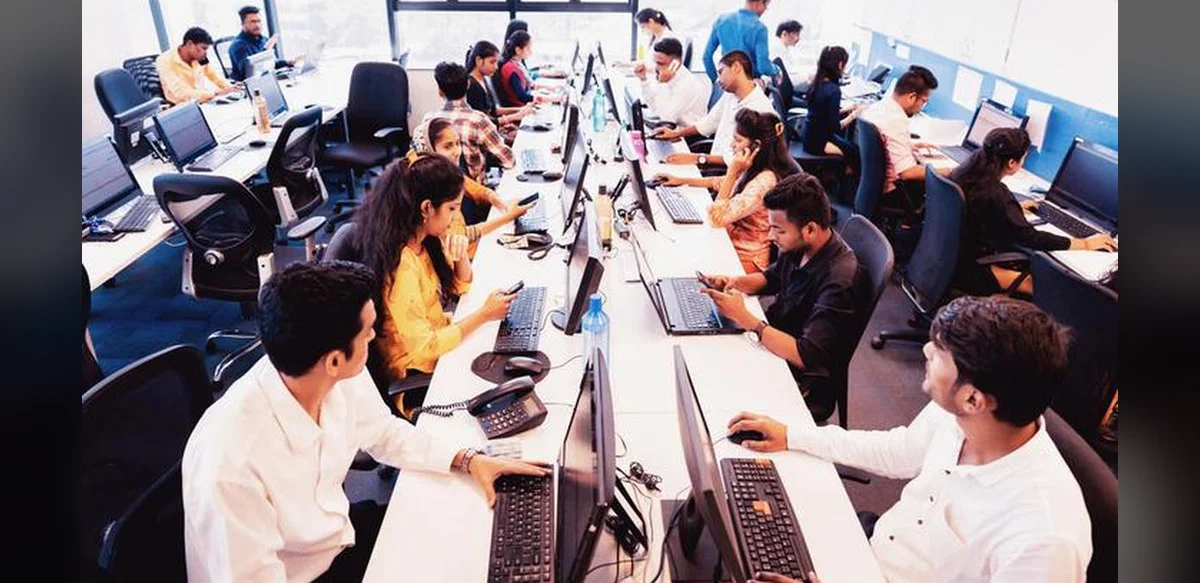
Workplace setups play a significant role in spinal alignment. Participants will learn about ergonomic adjustments that support natural posture during extended hours at desks or screens. Recommendations may include proper chair height, monitor positioning, and regular movement breaks to ease pressure on the spine.
Physical inactivity is another key topic. Reduced movement throughout the day can weaken supporting muscles and contribute to misalignment over time. The webinar will outline simple methods to incorporate more activity into daily schedules, such as short walks or targeted stretches that promote flexibility and strength.
Back pain, neck pain, and general stiffness are widespread concerns that affect many individuals. The discussion will cover prevention techniques alongside approaches for managing existing symptoms. Emphasis will be placed on sustainable changes rather than temporary fixes.
Experts leading the session plan to provide evidence-based insights drawn from health research. Attendees can expect guidance tailored to various age groups and work environments, making the information broadly applicable.
Registration details and access information for the webinar are expected to be released soon. Organizers encourage early sign-up to ensure participation in what promises to be an informative session on spinal wellness.
Overall, the event seeks to empower individuals with knowledge to make informed choices about their daily routines. By focusing on prevention and practical management, it addresses growing interest in maintaining physical well-being in fast-paced settings.
Additional segments may explore the long-term benefits of consistent posture awareness, including improved comfort and reduced risk of chronic issues. The webinar format allows for interactive elements, enabling questions on specific concerns.
This initiative reflects broader attention to public health topics related to movement and ergonomics. As awareness grows, such educational opportunities help bridge gaps between research findings and everyday application.
In summary, the October 25 webinar offers a timely platform for exploring posture in the context of modern demands. Its focus on accessible strategies positions it as a valuable resource for those seeking to support their spinal health proactively.

