


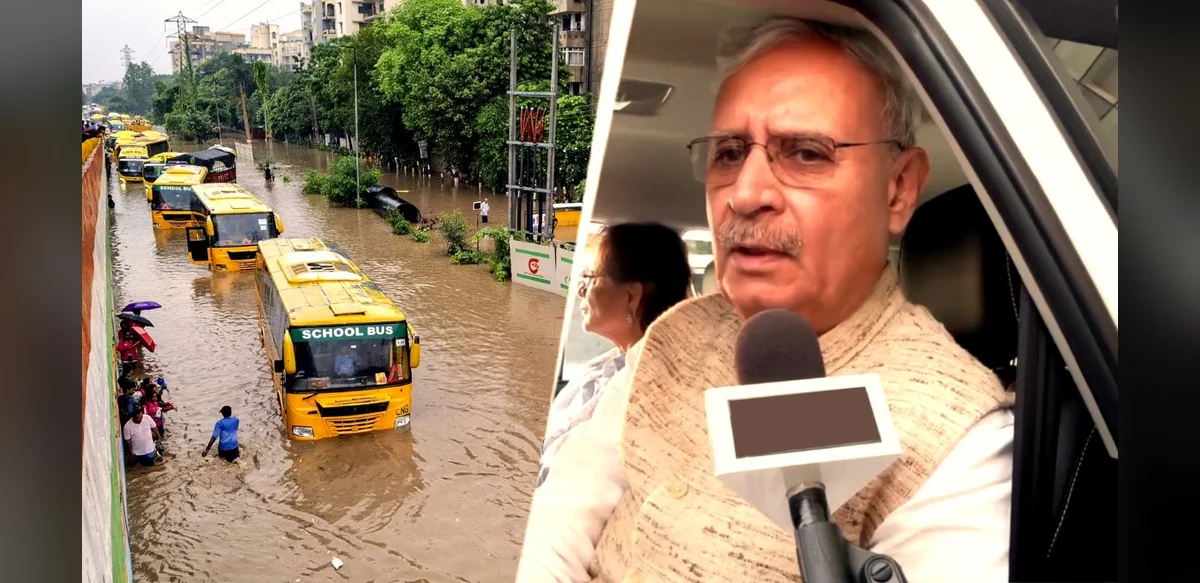
Recent heavy rainfall has once again highlighted persistent drainage challenges in Gurugram, prompting sharp political exchanges between local representatives and opposition voices. The member of parliament representing the area has emphasized that short-term measures will not resolve the recurring problem of water accumulation on streets and in residential zones. Instead, he advocates for comprehensive upgrades to the city’s drainage network to handle intense monsoon downpours effectively.
Critics from the Congress party have responded by stating that the overall infrastructure has failed to keep pace with rapid urban expansion. They argue that older drainage systems, some dating back decades, are inadequate for current population densities and construction activities. Underground tunnels and outdated channels have been cited as contributing factors that require immediate attention beyond patchwork repairs.
Local residents have reported disruptions to daily commutes, with several arterial roads becoming impassable during peak rainfall hours. Emergency services have been deployed to assist stranded vehicles and clear debris from blocked drains. Authorities have initiated pumping operations in low-lying areas, yet these efforts are described as temporary at best by elected officials.
Urban planners note that Gurugram’s growth has outstripped investments in civic amenities. New residential complexes and commercial hubs have increased surface runoff, placing additional strain on existing infrastructure. Experts recommend integrating modern stormwater management techniques, such as permeable pavements and retention basins, to mitigate future incidents.
The parliamentarian stressed the need for coordinated action between municipal bodies and state agencies. He pointed out that isolated fixes in one locality often shift the problem to neighboring zones without addressing root causes like silt accumulation and encroachment on natural water channels. Sustainable planning, he added, must incorporate climate-resilient designs to accommodate changing weather patterns.
Opposition leaders have called for a detailed audit of all drainage projects undertaken in recent years. They seek transparency on fund allocation and execution timelines to ensure accountability. Public hearings have been proposed to gather input from affected communities and incorporate their experiences into policy decisions.
Environmental considerations also feature in the debate, with concerns raised about the impact of unchecked construction on local ecosystems. Wetlands that once absorbed excess water have diminished, exacerbating flooding risks. Restoration of such natural buffers is viewed by some as a complementary strategy alongside engineered solutions.
Municipal officials maintain that ongoing works, including desilting drives and new pipeline installations, will yield improvements in the coming seasons. They urge patience as multi-year projects progress amid logistical constraints. Coordination with neighboring districts is underway to manage shared water flows during heavy rains.
The discussion underscores broader challenges faced by rapidly urbanizing regions across the country. Balancing development with robust civic infrastructure remains a priority for policymakers. Continued monitoring and adaptive measures will be essential to reduce the frequency and severity of waterlogging events in the future.
Community groups have organized awareness campaigns on waste disposal practices that contribute to drain blockages. Educational initiatives aim to foster responsible behavior among citizens to support official efforts. Collaboration between residents and administrators is seen as vital for long-term success.
As the monsoon season continues, all stakeholders await tangible outcomes from the proposed interventions. The emphasis remains on moving beyond reactive approaches toward proactive, integrated urban management strategies that prioritize resilience and efficiency.

