


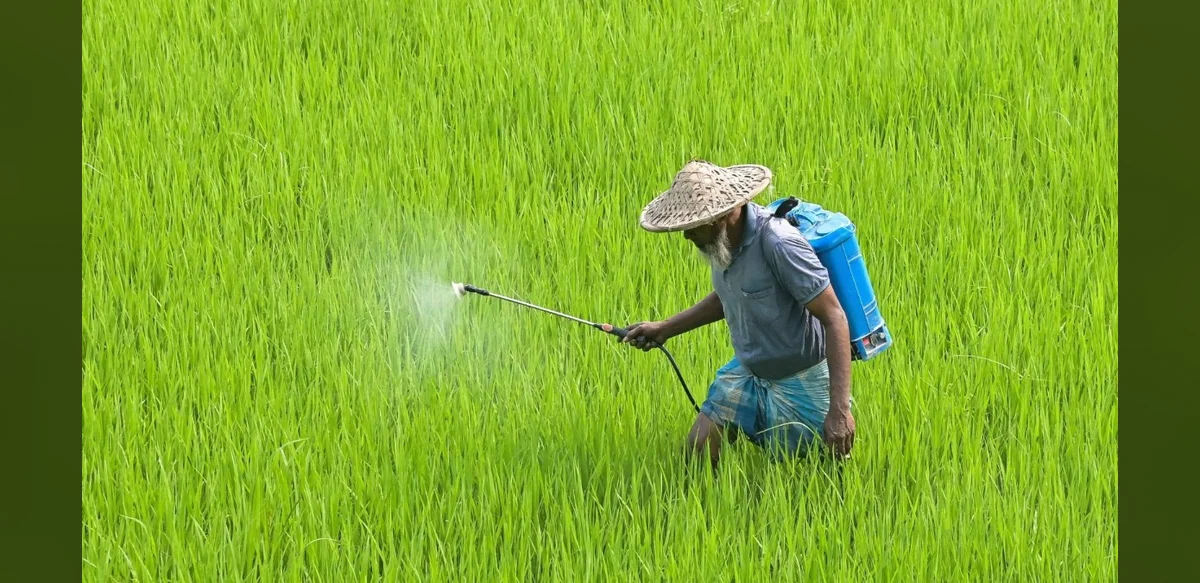
The central government issued a draft notification on Tuesday to impose an immediate nationwide ban on paraquat, a highly toxic herbicide. Experts in toxicology, medicine and agriculture have long called for such a step. Although more than 70 countries, including the nation where it was developed and produced, have already prohibited the chemical, paraquat dichloride remained legally available for use on Indian farms.
The Ministry of Agriculture and Farmers Welfare released the draft order, according to reports from Kisan Tak. The move follows earlier indications from ministry sources that a proposal for a countrywide prohibition had been prepared and could receive approval soon.
Paraquat dichloride ranks among the most disputed herbicides globally because of its toxicity. It has been restricted or eliminated in many regions due to health risks, yet it continued to be sold in India.
Citing public health concerns, the government has prohibited the import, production, sale, transport, distribution and application of the substance under Section 27 of the Insecticides Act, 1968.
The decision may also prompt broader policy discussions. India still allows several pesticides that face bans or strict limits elsewhere because of links to cancer, neurological issues and environmental harm. With paraquat now facing prohibition, focus may shift to other substances.
Because the measure remains in draft form, interested parties have 30 days from 13 July 2026 to submit comments before finalisation.
India Today Digital and Kisan Tak have previously highlighted risks associated with hazardous fertilisers and pesticides, including paraquat.
Paraquat stands out as one of the most dangerous agricultural chemicals. Medical professionals regard it as especially lethal since no specific antidote exists. Even limited exposure can be fatal.
Once ingested, the substance harms the lungs, frequently leading to permanent scarring that impairs breathing. It can also damage the kidneys, liver, skin and eyes. Treatment is mainly supportive, resulting in high death rates from poisoning.
The herbicide particularly endangers farmers and labourers through accidental ingestion, inhalation of spray or contact with broken skin. These hazards explain why more than 70 countries, such as members of the European Union, the United Kingdom, Switzerland and China, have banned or phased out its use.
India had previously attempted to restrict paraquat. Several states, including Kerala and Andhra Pradesh, imposed limits, though some measures faced legal or technical obstacles. Central authorities had also reviewed the chemical through expert panels.
Following advice from a government-appointed committee and the Registration Committee, the Agriculture Ministry has now issued a draft order for a nationwide prohibition that would apply uniformly.
Once finalised, the order would end legal use of paraquat in India. Import, manufacture, sale, transport, distribution and application would all become unlawful. Existing registration certificates would be cancelled, and holders would have three months to surrender them or face penalties.
State governments are authorised to conduct inspections and enforce compliance.
Official approval covered only nine crops: tea, potato, cotton, rubber, coffee, paddy, maize, wheat and grapes. Reports indicate widespread misuse, such as spraying on moong crops before harvest in states including Rajasthan and Madhya Pradesh to speed drying. Such practices risked residues entering the food supply and formed a key reason for the proposed ban.
The prohibition on paraquat may mark the start of wider scrutiny of other pesticides.

