


The United States carried out a series of military strikes against Iran early Wednesday after blaming Tehran for assaults on three commercial vessels passing through the Strait of Hormuz. Iranian state media reported multiple blasts in southern regions of the country.
US Central Command stated on X that its forces had started powerful strikes against Iran to impose significant costs for the alleged attacks on commercial shipping. The command described the Iranian actions as unwarranted, dangerous, and a clear breach of the ceasefire.
Iranian state outlets reported seven explosions in the southern city of Sirik shortly after the announcement, along with six projectiles hitting the Taheroui Pier area. Additional blasts were noted on Qeshm Island and in Bandar Abbas.
Press TV confirmed several explosions in Sirik but gave no immediate information on causes, casualties, or damage.
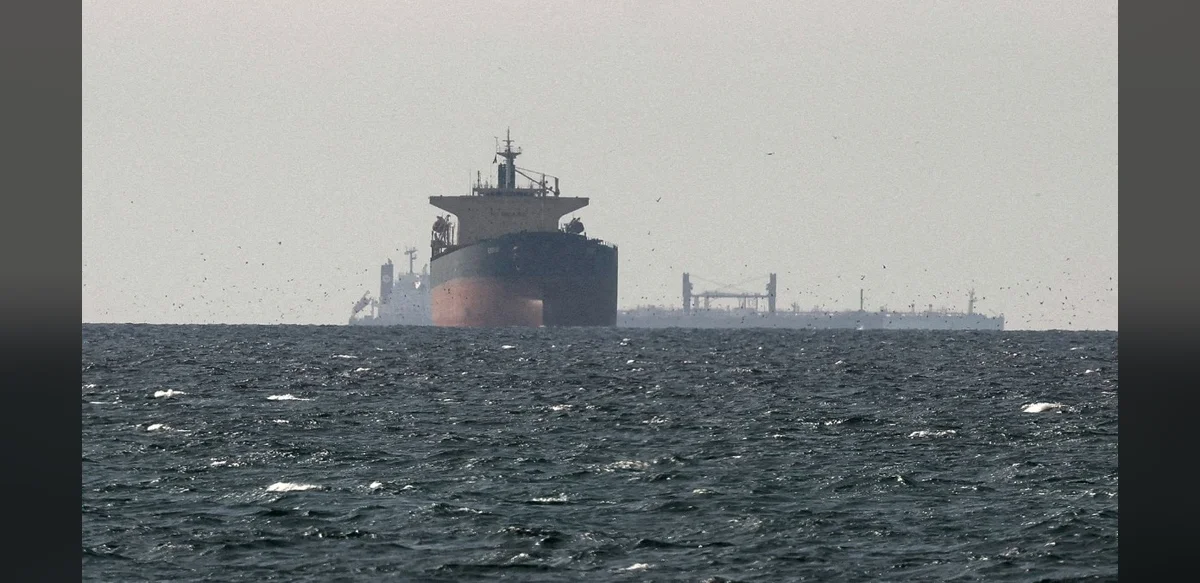
The US action followed projectile strikes on three tankers in the Strait of Hormuz on Tuesday, according to the British military. The U.N. International Maritime Organisation noted this as the highest number of assaults in one day since late April, raising concerns about disruptions to shipping and global economic pressures from the ongoing war.
Hours later, the United States withdrew a 60-day licence issued last month that had waived sanctions on Iranian oil. A US official told The Associated Press that the revocation responded to unacceptable actions in the strait.
The Iranian mission to the United Nations did not reply to requests for comment.
The UK Maritime Trade Operations center reported one tanker caught fire after being hit while sailing off Oman. Iranian state television said the liquefied natural gas tanker was attacked after ignoring warnings but did not claim responsibility.
The other two vessels sustained damage yet continued their journeys, with no injuries reported.
Tehran has maintained that only its approved route through the strait is secure and is suspected of prior attacks on ships using an alternative path near the Omani coast. Location data placed all three incidents off Oman or the United Arab Emirates.
The escalation occurs as US-Iran talks remain stalled. The United States had aimed to resume negotiations to reopen the strait, address Iran’s nuclear programme, and secure a lasting end to the war that started on Feb. 28. An interim agreement faces strain.
Earlier attacks in the strait led to US retaliatory strikes followed by Iranian actions against Gulf Arab states.
In peacetime, roughly one-fifth of global oil and natural gas trade passes through the Strait of Hormuz.
The revoked licence had allowed Iranian oil production, delivery, and sales through Aug. 21. US Vice President JD Vance had previously described talks in Switzerland as creating a foundation for a final deal.

