


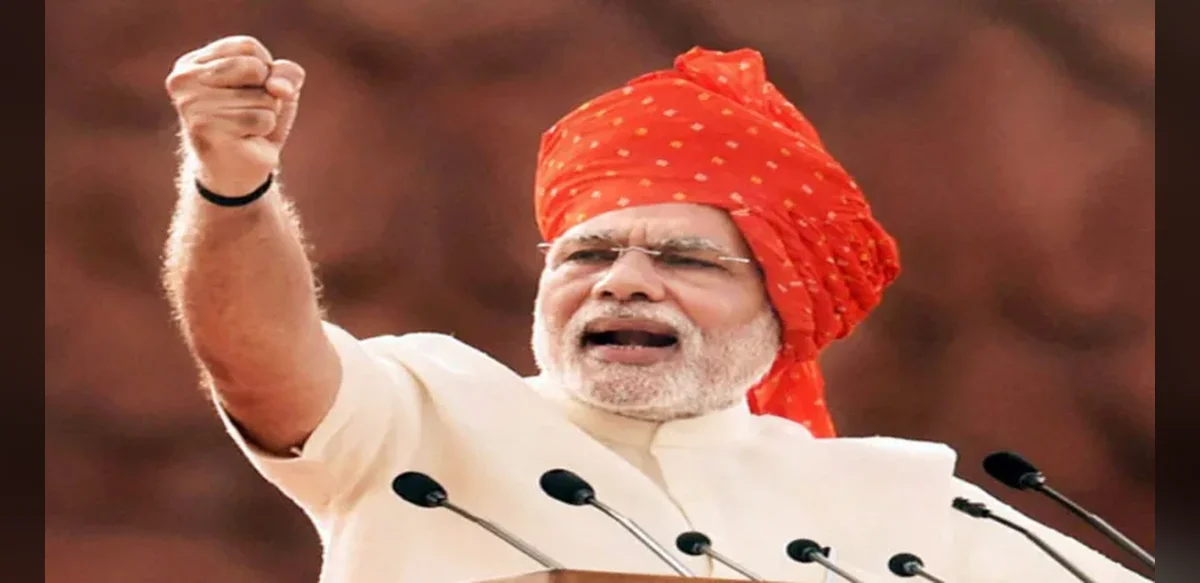
Over the 12 years since Narendra Modi became Prime Minister in 2014, many observers note a stronger sense of nationalism in India. Patriotism is no longer confined to Independence Day or Republic Day but appears in everyday activities.
Chants such as “Bharat Mata Ki Jai,” “Vande Mataram,” and “Jai Hind” are now common in schools, colleges, public events, sports matches and social occasions. Young people frequently display the national flag at homes, on vehicles and through social media.
People from varied religions, castes, communities and languages increasingly share a sense of being Indian first. The Har Ghar Tiranga campaign reached cities and remote villages, with millions of families raising the Tricolour. The flag is now seen not only in government offices but also in private firms, schools, colleges, businesses and residential areas.
Achievements including Chandrayaan-3, the G20 Summit, the Ram Mandir in Ayodhya and Operation Sindoor have boosted national pride. Respect for the armed forces has grown, with more young people considering careers in the Army, Navy or Air Force.
During Operation Sindoor, citizens across the country showed support for the military, highlighting unity in challenging times. Similar pride appears among Indians living abroad, who celebrate national days and identify strongly with their homeland.
Modi has promoted ideas such as “Nation First,” “Ek Bharat, Shreshtha Bharat” and “Vocal for Local,” encouraging appreciation of India’s history, culture and progress. Many believe today’s youth feel a greater sense of duty and would stand with the nation if needed.
Nationalism here involves respecting the country, performing duties and working together for advancement. This renewed spirit is seen as a defining feature of contemporary India.

