


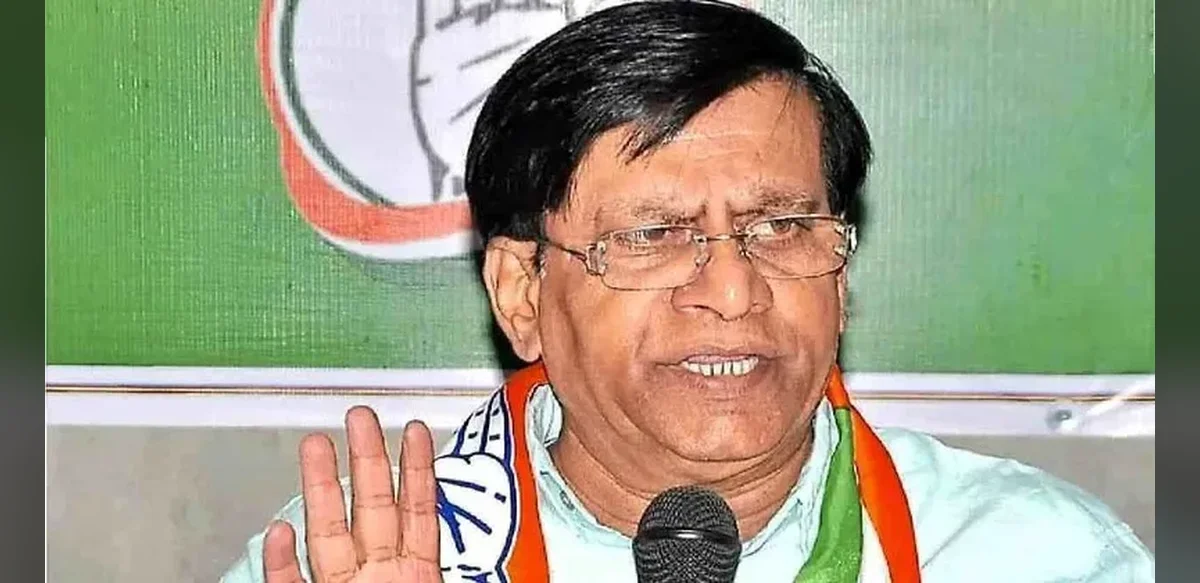
A minister from the Congress party in Karnataka has drawn attention following comments made during a community event in the Koppal district. The statements, delivered at a mass marriage gathering organized by members of the Muslim community in Kuknoor, focused on religious practices and personal aspirations. The minister expressed interest in participating in the Haj pilgrimage but noted that eligibility requires adherence to Islam. He described the faith as one centered on humanity and suggested that certain perceptions about it may not reflect its core teachings. He also indicated willingness to study the Quran, emphasizing that its messages could hold value beyond any single group.
The remarks occurred amid ongoing political dynamics in the state, where issues related to religion and community welfare often intersect with electoral considerations. The minister urged attendees to avoid extreme positions based on faith or social divisions. He pointed out that participation in religious sites alone does not ensure ethical conduct and encouraged adopting constructive elements from various traditions. This broader appeal aimed to promote coexistence among different groups.
Another minister present at the same program highlighted efforts to address socioeconomic conditions within the Muslim community. He noted that the group represents a significant portion of the population yet encounters ongoing developmental hurdles. References were made to increased financial allocations in recent periods under the current state leadership. The speaker also called for maintaining harmony across religious lines, stressing that a single creator exists and that mutual respect should guide interactions. He cautioned against using faith for political advantage and encouraged participants to support inclusive approaches.
The event took place against a backdrop of competition between the ruling Congress and the opposition Bharatiya Janata Party. The latter has frequently raised concerns about policies perceived as favoring specific communities, while the Congress has framed its initiatives as measures for equitable growth. The minister’s comments have prompted reactions from various quarters, with some viewing them as an endorsement of one tradition over others. Others have focused on the subsequent emphasis on shared values across faiths.
Observers note that such statements from elected representatives can influence public discourse in a region where religious sensitivities remain prominent. The minister involved has previously engaged in open discussions on state governance and party matters, placing him occasionally in the spotlight. This latest instance shifts attention toward questions of religious expression in official capacities. Party colleagues may seek to contextualize the comments by underscoring the call for universal principles of tolerance.
The controversy illustrates wider patterns in Karnataka politics, where welfare programs, minority outreach, and identity-related debates frequently overlap. Supporters of the government argue that such programs address historical imbalances, whereas critics contend they risk deepening divisions. The program in Kuknoor also featured discussions on community development priorities, with speakers advocating for educational and economic upliftment without favoring any particular ideology.
In the days ahead, political analysts expect continued commentary from both sides. The opposition may press for clarification on whether public officials should rank religions, while the ruling side could highlight the minister’s statements against fanaticism. The episode underscores the delicate balance required when addressing faith in a diverse society. It also reflects the minister’s established pattern of voicing views that invite scrutiny, whether on administrative topics or social matters.
Local reactions have varied, with some residents appreciating the focus on humanity and others questioning the appropriateness of comparative assessments in political settings. The event itself served as a platform for multiple leaders to address both religious harmony and practical challenges facing communities. As Karnataka navigates its political landscape, incidents like this one are likely to fuel further exchanges on the role of religion in governance and public life. The emphasis on studying texts from different traditions and avoiding caste-based or faith-based extremism represents an attempt to frame the discussion around shared ethics rather than exclusivity.
Overall, the episode adds to the list of topics shaping conversations ahead of future electoral cycles. It demonstrates how individual statements can intersect with larger narratives about inclusion, development, and political strategy in the state. The ministers involved have longstanding ties to the current administration, including connections to key figures in the Congress leadership. Their participation in the Kuknoor program reflects efforts to engage directly with various demographic groups on matters of welfare and coexistence.

