


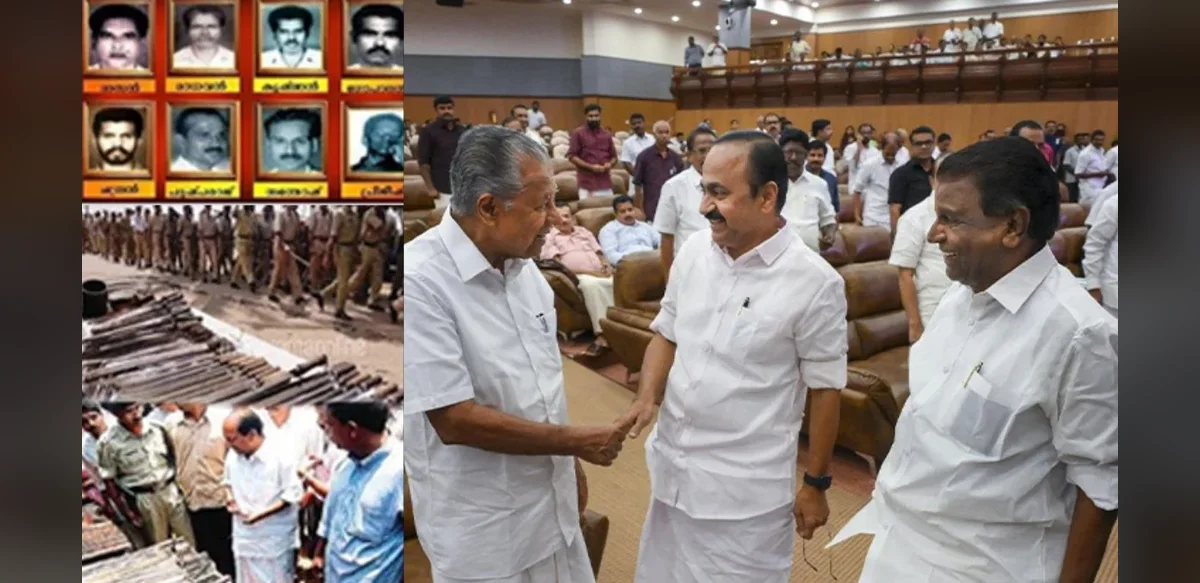
In the fishing village of Marad in Kozhikode on May 2 2003 an armed group of over 200 men carried out a pre-dawn attack that killed eight Hindu fishermen in one of Kerala’s worst communal incidents. A judicial commission led by District Judge Thomas P Joseph described the event as a planned conspiracy involving local radical networks and raised concerns over foreign funding and weapons supplies. The report recommended a CBI investigation into the conspiracy and funding sources.
Decades later the Kerala assembly saw both the ruling Left Democratic Front and the opposition United Democratic Front pass a resolution opposing central FCRA amendments aimed at regulating foreign funds. BJP legislator BB Gopakumar defended the amendments as measures for national security and said the state resolution intruded on a central subject.
The commission had also criticised local police handling and called for a full CBI probe into foreign links. Earlier governments including the Congress-led administration under AK Antony did not approve such an inquiry. Reports at the time mentioned possible involvement of figures linked to the ruling coalition though no sitting minister was directly named.
Similar questions about foreign funding resurfaced during protests against the Vizhinjam port project where intelligence reports noted overseas transfers to agitation accounts. Authorities and political fronts again dismissed those claims.
In 2006 the Kerala assembly unanimously adopted a resolution requesting the release of Abdul Nazer Madani on humanitarian grounds after his long detention in connection with the 1998 Coimbatore blasts.

