


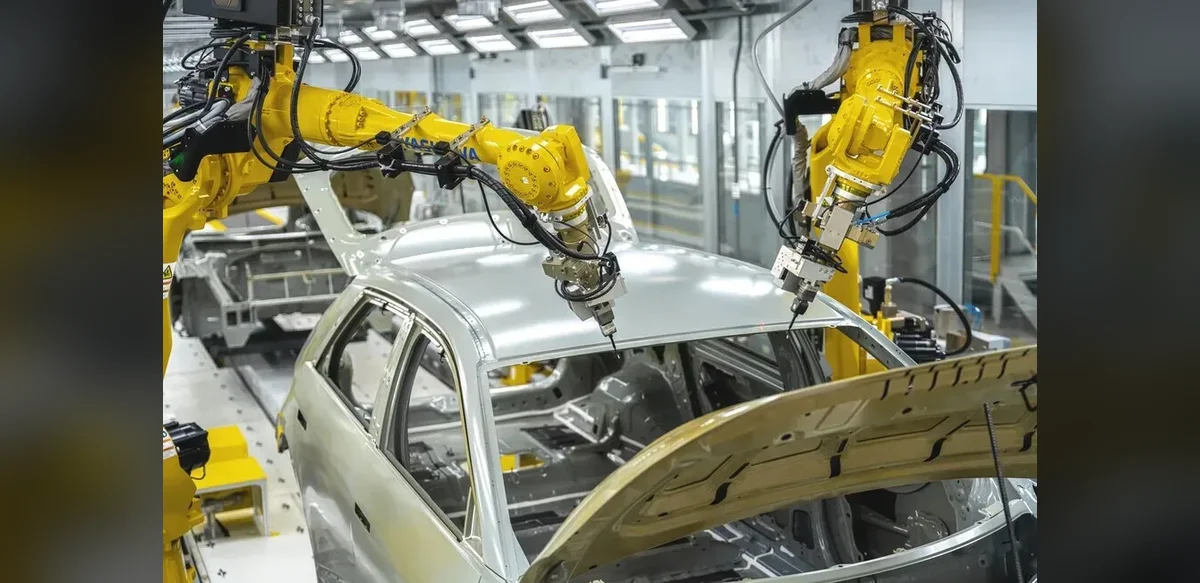
South Korean manufacturers in key sectors including automobiles, steel production, and shipbuilding are increasingly directing capital toward facilities in the United States. This shift occurs against a backdrop of trade tensions and policy measures associated with the current US administration. Industry observers note that such moves could reshape the landscape for domestic production bases over the coming years.
The trend has prompted discussions among business leaders and analysts about potential impacts on local employment and industrial capacity. Several companies have announced plans to expand operations abroad, citing the need to navigate import tariffs and other regulatory hurdles. While these investments aim to secure market access, they raise questions regarding the long-term viability of factories remaining in South Korea.
Stakeholders within the affected industries have expressed reservations about the pace of this relocation. Concerns center on the gradual erosion of skilled labor pools and supply chain networks that have historically supported South Korea’s export-driven economy. Government officials are monitoring developments closely, weighing options to bolster domestic competitiveness through incentives and infrastructure support.
Historical patterns show that similar pressures in past trade disputes led to adjustments in global manufacturing footprints. In this instance, the focus on US expansion reflects strategic decisions to mitigate risks from fluctuating trade policies. Data from recent quarters indicate a measurable uptick in overseas capital expenditure by major conglomerates.
Analysts emphasize the importance of maintaining a balanced approach that preserves core competencies at home while pursuing international growth. Educational programs and workforce retraining initiatives are being considered to address any emerging skill gaps. The situation underscores broader themes of globalization and its effects on national industries.
Public discourse has highlighted the need for transparent communication between policymakers, corporate executives, and labor representatives. Forums and roundtable discussions are underway to explore collaborative solutions. These efforts seek to minimize disruptions while adapting to evolving international economic conditions.
Overall, the developments point to a period of transition for South Korea’s industrial base. Continued observation of investment flows and policy responses will be essential in assessing future outcomes. The interplay between trade dynamics and corporate strategy remains a focal point for economic planning.

