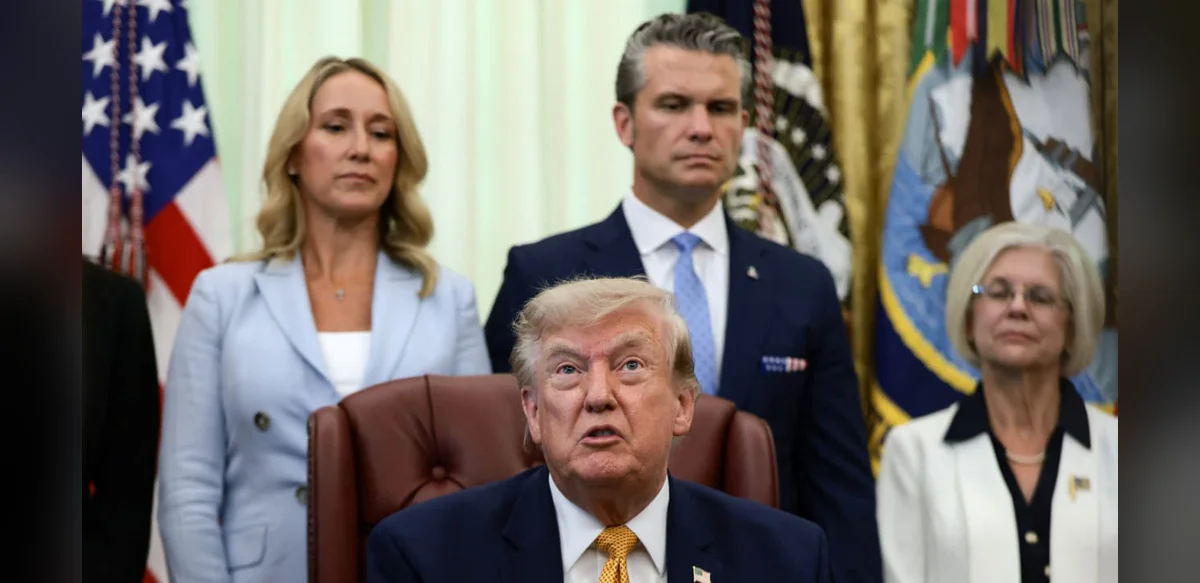
Recent comments by former President Donald Trump regarding potential negotiations with Iran have sparked renewed discussion about the direction of American foreign policy. A media analyst highlighted that such statements alone may not reveal the full scope of any future approach. The remarks come amid ongoing international attention to Tehran’s nuclear activities and regional tensions. Observers note that public statements from political figures often serve multiple purposes, including signaling to domestic audiences and testing reactions abroad. In this case, the comments have prompted analysts to examine how they might align with or diverge from established diplomatic channels. Channel 13 News commentator Suleiman Maswadeh spoke on 103FM radio about the latest developments. He cautioned that the current remarks do not necessarily foreshadow the path Trump would take if returned to office. Maswadeh emphasized the importance of distinguishing between rhetorical positions and concrete policy decisions. Such distinctions matter because negotiations with Iran involve complex layers of sanctions, nuclear oversight, and alliances with other nations in the Middle East. The analyst’s warning underscores a broader caution among commentators that early statements during a campaign or transition period can shift as circumstances evolve. Historical patterns show that incoming administrations often adjust initial positions once they confront the realities of governance and intelligence assessments. Discussions on 103FM also touched on how media coverage amplifies these statements, sometimes creating expectations that later prove difficult to meet. Maswadeh suggested that both supporters and critics should await clearer indications before drawing firm conclusions about any shift in strategy. The exchange reflects the wider environment in which foreign policy debates unfold, where multiple voices contribute to shaping public understanding. Experts continue to monitor statements from various political actors for signs of consistency or change. In the meantime, the focus remains on the underlying issues of nuclear proliferation, regional stability, and economic pressures that any negotiation would need to address. The commentator’s measured tone serves as a reminder that political rhetoric frequently requires careful interpretation rather than immediate acceptance as definitive policy direction.