


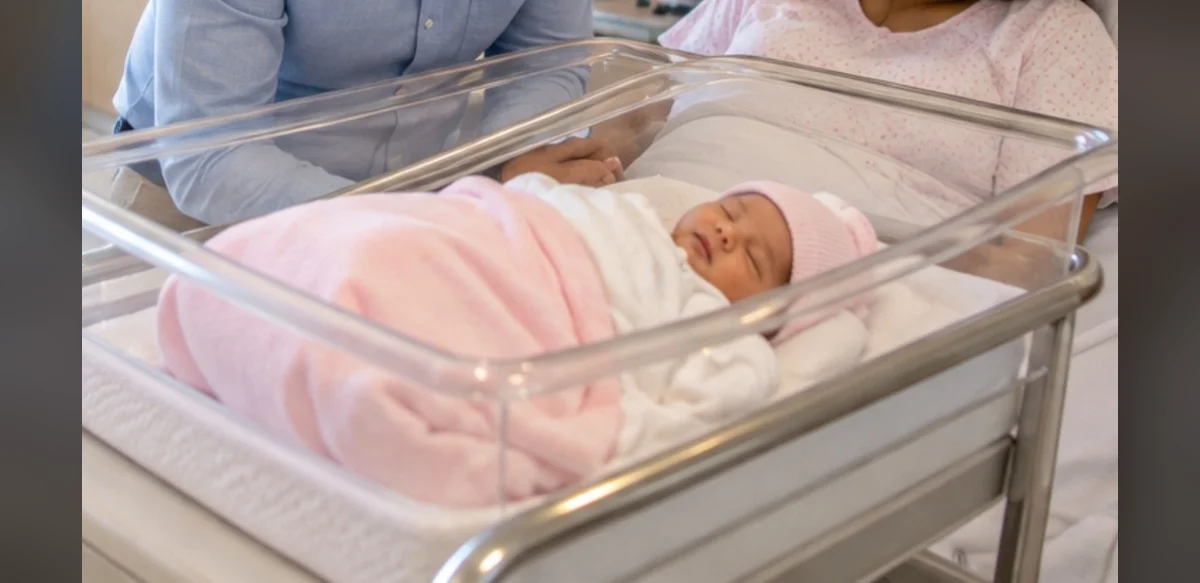
The National Commission for Women has formed a high-level expert committee to examine the regulatory framework for In Vitro Fertilisation clinics, Assisted Reproductive Technology centres and sperm and egg banks following concerns about irregularities in fertility services.
The decision follows a recent report of an alleged IVF mix-up in Gurugram, where a couple said DNA tests showed the twins born through the procedure were not biologically related to them.
The panel, led by former Delhi High Court judge Justice Asha Menon, includes specialists from the judiciary, medicine, forensic science, law enforcement, gynaecology, public policy and the Union Health Ministry.
It will assess the ART (Regulation) Act, 2021, the Surrogacy (Regulation) Act, 2021, and the 2026 amendment rules.
The commission highlighted issues such as unethical practices, medical tourism, possible bypassing of legal protections including sex selection, inconsistent treatment standards, patient exploitation and weak oversight.
The committee is tasked with reviewing safeguards on consent, privacy and biological traceability, identifying regulatory gaps and suggesting legal and policy changes.
It will also develop standard operating procedures and guidelines to improve transparency, ethics and clinical consistency in IVF and ART facilities.
Recommendations aim to strengthen oversight of the ART sector and protect women undergoing fertility treatment. Infertility affects an estimated 2.8 crore people in India, with 3 to 3.5 lakh IVF cycles performed annually.
A government report noted that nearly nine in ten couples face major financial strain from IVF, as most providers are private and costs often exceed quoted prices by 30 to 60 per cent.

