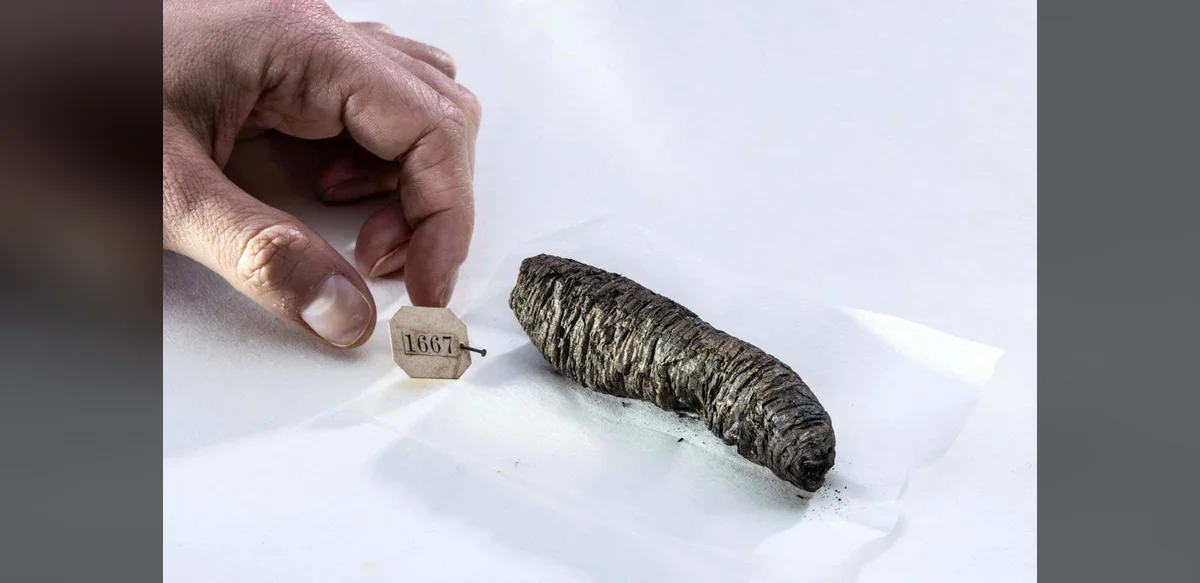
Scrolls from the Roman library of Herculaneum, carbonised during the AD 79 Mount Vesuvius eruption, have been fully read for the first time through high-resolution scans and AI tools. Long-lost works of ancient philosophy were recovered from these papyrus rolls, previously considered unreadable. Researchers applied AI to process detailed 3D scans without physically opening the scrolls. The items originate from the Herculaneum library, buried with Pompeii nearly two millennia ago. Scholars have attempted to decipher the charred remains since their discovery in 1752, but physical unrolling risked damage and the ink blended with the material. The Vesuvius Challenge project, launched in 2023, employed particle accelerators for scanning and shared results with an online group that developed AI software for virtual unwrapping and ink detection. This method revealed titles, authors and brief excerpts. Recently, the team extracted 1.5 metres of continuous text across 22 columns from a narrow scroll core. The content discusses ethics, art and human nature, with references to Stoic ideas. It dates to the second century BC and alludes to the nephew of Stoic philosopher Chrysippus, suggesting him as the likely author. Another scroll was identified as part of Philodemus’s work On Gods. Experts note that these advances in imaging and computation could unlock hundreds of remaining scrolls, transforming knowledge of ancient thought.