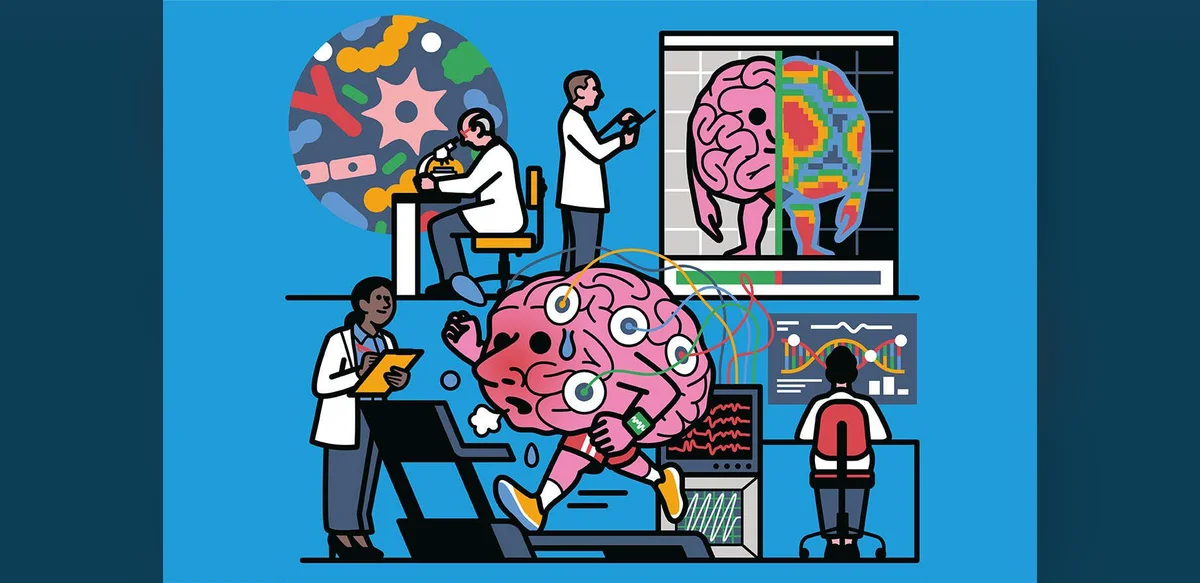
In efforts to maintain brain health, it can be hard to tell if actions are effective. Helen Thomson examines new tests designed to show whether such steps are succeeding. A simple calculation like 72 times 72 should not pose a challenge, yet fatigue or distraction can cause hesitation. This reflects a broader feeling of mental slowdown that extends beyond numbers. The writer, who covers brain topics professionally, follows habits like balanced eating, physical activity and playing music to support cognitive function. Unlike visible body changes or blood pressure shifts, brain condition stays concealed within the skull. Experts note a move toward proactive monitoring similar to physical health checks. Advances in technology, artificial intelligence and personal health tracking are creating tools that deliver detailed views of brain status and compare it to expected levels for a given age. Options range from blood tests to imaging. Early studies on brain health were rare, but thousands now appear yearly. This growth ties to wider tracking of daily metrics and concerns over mental conditions. Surveys indicate many adults suspect undiagnosed issues, often anxiety or depression, and most would consider testing even for untreatable conditions. Affordable EEG devices and real-time AI analysis have expanded the market for such insights. Genetic tests for variants like APOE4 can indicate higher Alzheimer’s risk, yet organizations advise against routine use due to lifestyle influences. Brain scans can detect various changes, though incidental findings occur in about four percent of cases.