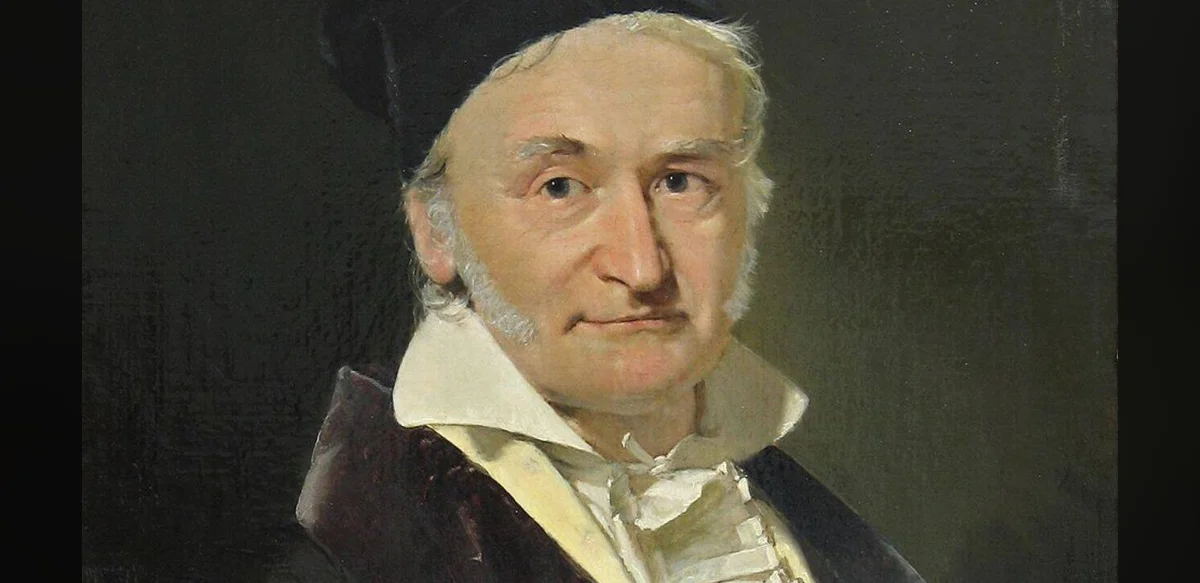
Carl Friedrich Gauss, the noted German mathematician and physicist, once remarked: “When a philosopher says something that is true then it is trivial. When he says something that is not trivial then it is false.” The statement highlights his emphasis on precision and evidence over elaborate expression. Gauss valued clarity and proof above persuasive language. He suggested that genuinely true philosophical claims often align with common experience and therefore seem obvious, while claims that appear novel or complex may lack substance. His career in mathematics, astronomy and related fields reinforced this preference for ideas that can be verified rather than merely asserted. The observation remains relevant in an era of rapid information exchange, where confident presentation can overshadow supporting evidence. It encourages readers to test claims by asking whether they rest on demonstrable facts and withstand logical examination. Similar ideas appear in later scientific thought, including calls for simplicity without oversimplification. Gauss’s perspective continues to serve as a reminder that depth is not measured by complexity alone.