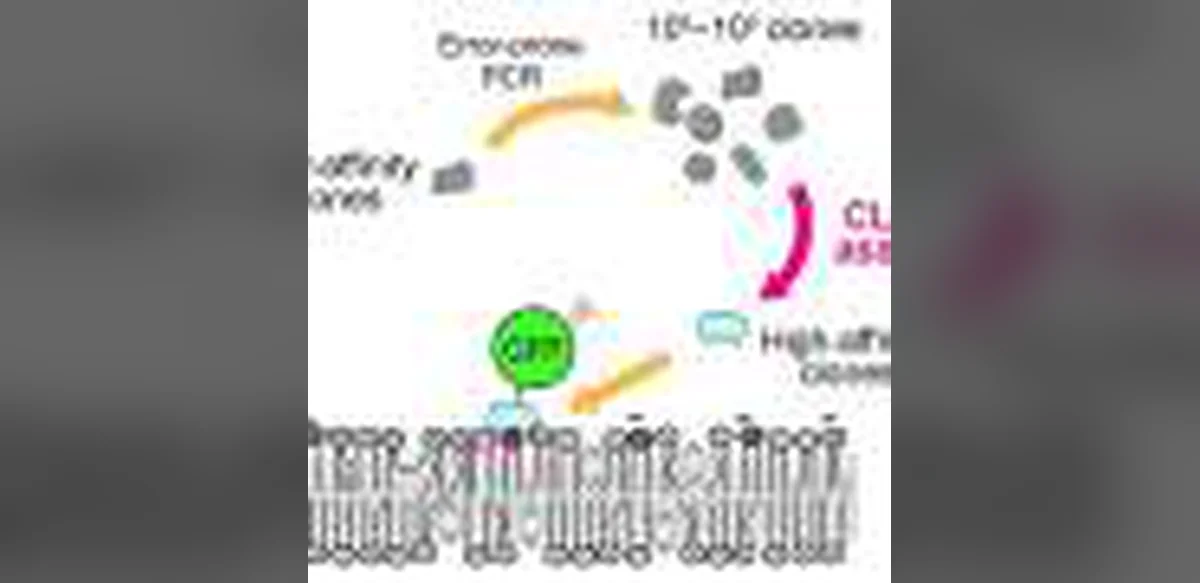
Inside cells, lipid molecules form membranes that enable organelles to communicate and react to stress. Scientists have found it hard to observe these lipids because existing tools lack enough sensitivity and selectivity. A team at the University of Osaka created a way to develop custom biological sensors for tracking lipids in living cells. Their study in Nature Cell Biology describes the cell surface liposome binding assay. This high-throughput technique uses yeast cells, lipid capsules, and fluorescence to evaluate thousands of protein variants for lipid binding. The method allowed screening of protein libraries and refinement of a sensor into a new probe called PX-SnxAGV. This probe detects the scarce signaling lipid PI(3,5)P2, which occurs in very small quantities and has been difficult to monitor. In stressed cells exposed to high salt, the probe showed PI(3,5)P2 collecting in distinct small membrane areas. The same pattern appeared in mammalian cells during microautophagy, where lysosomes engulf damaged parts and the lipid concentrates at inward-folding membrane sites. The approach could apply to many diseases linked to membrane issues. Researchers note that these probes reveal the timing and location of lipids, improving knowledge of membrane environments in conditions such as cancer, diabetes, and neurodegenerative disorders. The assay offers a fresh method to examine cell processes and may speed progress in cell biology and medical research.