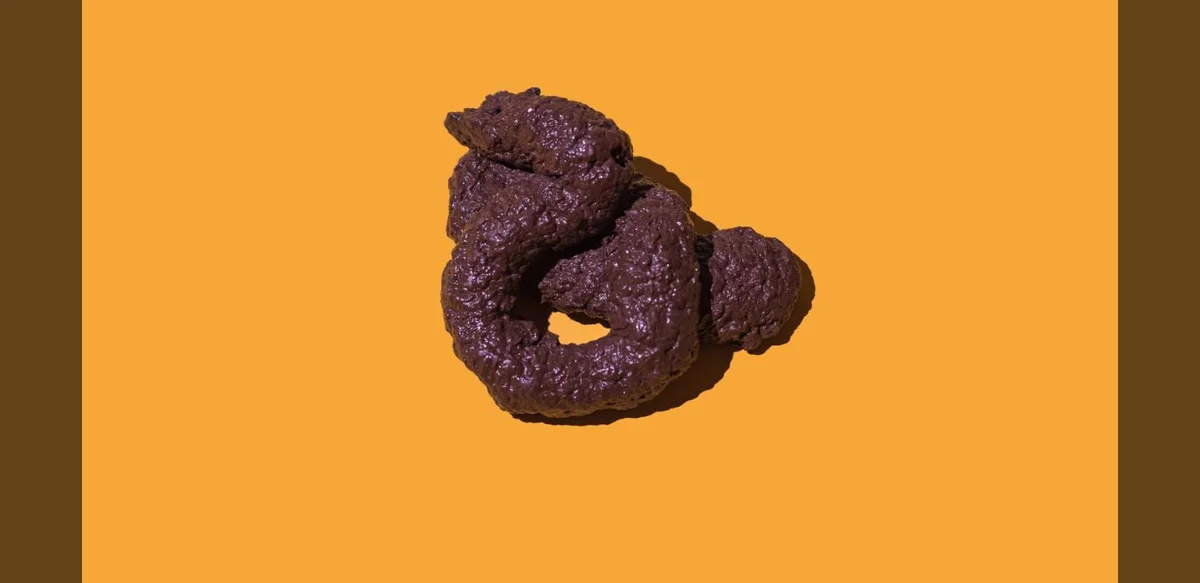
Charles Darwin is known for his work on evolution, yet his later research also focused on earthworms and their waste. In his final years he documented how worm castings formed spiral towers and expressed strong interest in the subject. More than a century afterward, physicists Mehdi Habibi, Neil Ribe and Daniel Bonn analyzed similar coils using worm excrement to identify shared mechanical rules. They noted that coiled shapes appear in feces from many species, including humans. The familiar emoji form reflects downward extrusion shaped by intestinal size, muscle action, drop height and material thickness. Some worms instead expel waste upward against gravity, producing coils of steady width rather than tapering tips. The researchers studied lugworms that deposit feces above their burrows and compared results with dough and noodles. These coils follow elastic rope theory yet keep form due to upward movement and stiffness. The structure may protect burrow entrances from blockage. The findings suggest broader uses of physical principles in biological shapes, echoing Darwin’s view on the ecological role of worms. The work appears in Nature Communications.