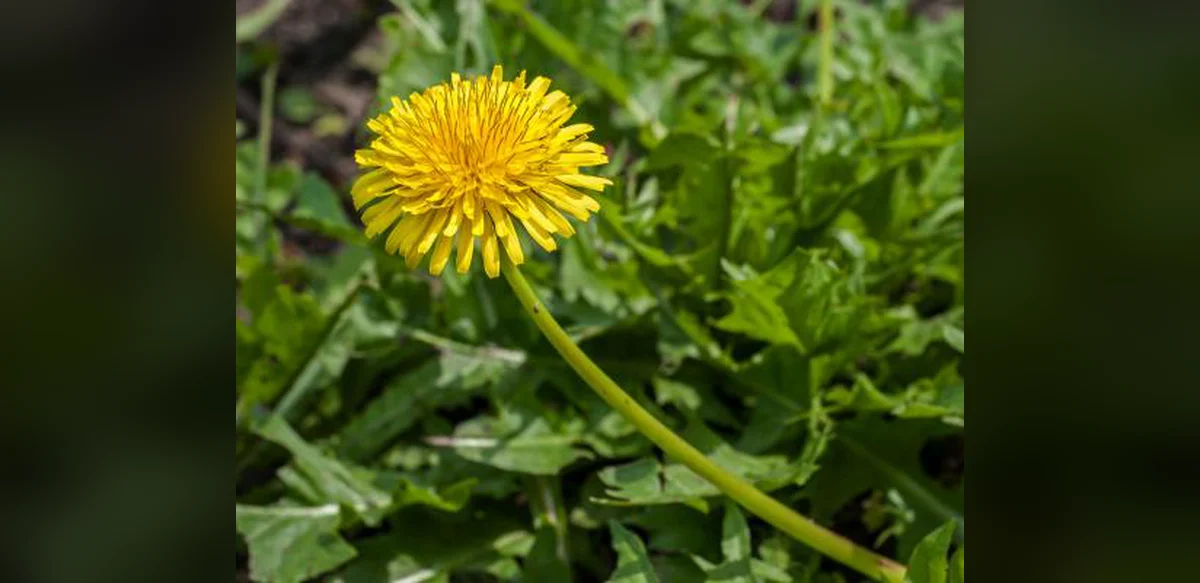
Global supplies of natural rubber face shortages, leading scientists to consider dandelions as an alternative source. During the Second World War, the Allies turned to the Russian dandelion, Taraxacum koksaghyz from Kazakhstan, after Soviet researchers found its roots produced enough latex for rubber. Following the war, production returned to the traditional rubber tree Hevea brasiliensis. Rising demand, fungal disease, and extreme weather linked to climate change now affect rubber trees, prompting renewed interest in dandelions. These plants grow well in temperate areas, need little pesticide or water, and reduce pressure on tropical forests. A biotech project in Norwich is developing a high-yield variety with larger roots in soil-free glasshouse conditions using mist systems, aiming for roughly 3,000 tonnes of rubber yearly. Bicycle tyres made from dandelion latex have already been produced in Germany.