


Researchers at Heinrich Heine University Düsseldorf, working with colleagues at Ludwig Maximilian University in Munich, have examined the biochemical steps bacteria use to place proteins into their cell membranes. The work indicates greater similarities with processes in higher organisms than earlier models suggested.
Cell membranes hold many proteins that carry out varied roles. Some act as channels to move substances in or out, while others function as receptors to sense signals and initiate cellular responses. These proteins adopt specific three-dimensional shapes required for their activity.
A key issue involves how proteins made by ribosomes inside the cell reach the membrane correctly folded. The internal cell environment differs sharply from the membrane, and hydrophobic proteins risk clumping without targeted insertion systems.
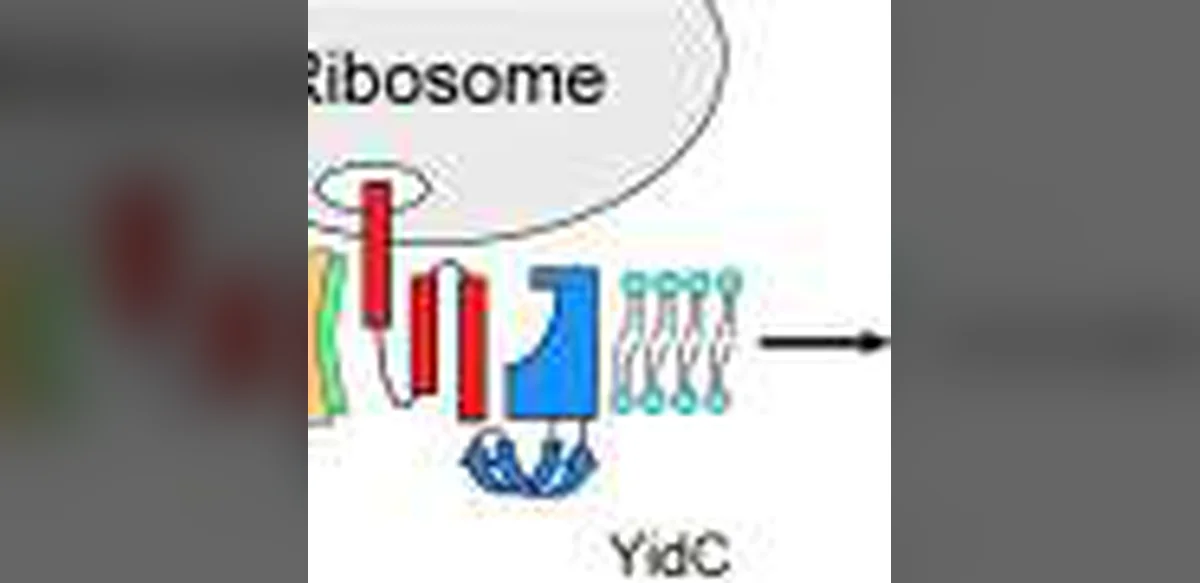
Newly formed proteins travel from ribosomes to the membrane, where enzymes known as insertases, including the Sec translocon and YidC, embed them. Only then do the proteins reach their final folded state. Earlier views held that insertion happened solely through a side opening in the translocon, yet imaging had not confirmed this. Recent work on eukaryotic cells identified an alternative route at the rear of the translocon.
The current study, published in The EMBO Journal, investigated the same steps in bacterial cells. Ribosome-membrane complexes were prepared in Düsseldorf and imaged at LMU Munich via cryogenic electron microscopy. Analysis of the resulting data revealed the full sequence from protein synthesis to membrane insertion, including the timing of three-dimensional folding.
The results improve understanding of membrane protein folding and offer clues about when these mechanisms arose in evolution. Similar pathways occur in organisms such as yeast, suggesting the process became established early and persisted.
Further research will focus on additional proteins that participate in insertion.

