


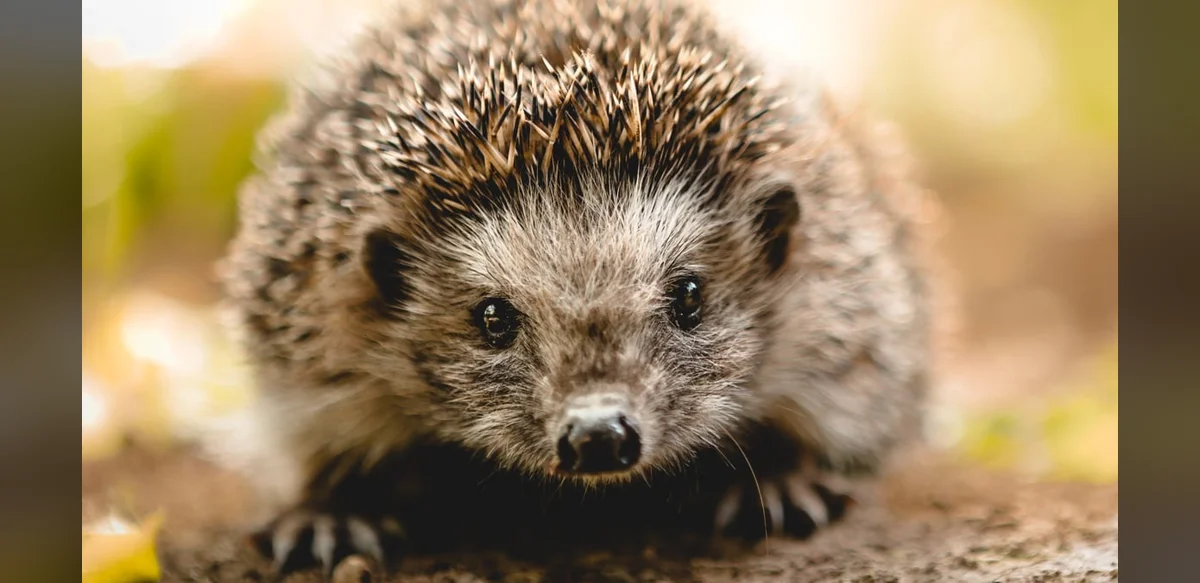
Researchers discovered microplastics in hedgehog droppings and traced one source to pet food. In 2021, scientists collected 189 hedgehog feces samples from gardens and rescue centers across the UK, detecting plastic in 19 percent of them. Hedgehogs, now classified as near threatened, had not previously been known to ingest microplastics.
To identify the source, the team examined the animals’ diet. European hedgehogs consume invertebrates such as beetles, snails, slugs, earthworms, caterpillars and woodlice. Analysis of thousands of invertebrate and soil samples from 51 sites in Sussex showed plastics present across species and habitats.
The study also tested pet foods given to hedgehogs at rescue centers and gardens. Food provided by people is the main reason hedgehogs visit residential areas, and many rely on it in autumn and winter. Researchers examined 38 brands of cat, dog and hedgehog food across price ranges and wet or dry types. Six units of each product were purchased, and a 1-gram sample was taken from each.
Microplastics appeared in 29 of the 38 products, with repeated contamination in 18 items. Value-priced products showed higher rates of positive samples. Dry food had more plastic per gram, yet larger portions of wet food may result in greater total intake. A large dog could consume around 313 particles daily from average wet dog food levels.
Pet food showed higher microplastic counts than human food, likely due to ingredient quality. Products containing animal derivatives were frequently contaminated. The findings indicate pet foods may be a significant source of microplastics for both pets and wild hedgehogs. Health effects remain uncertain, though laboratory studies link microplastics to fertility and organ issues. The authors recommend mandatory testing for manufacturers and stricter regulations similar to those for other contaminants.

