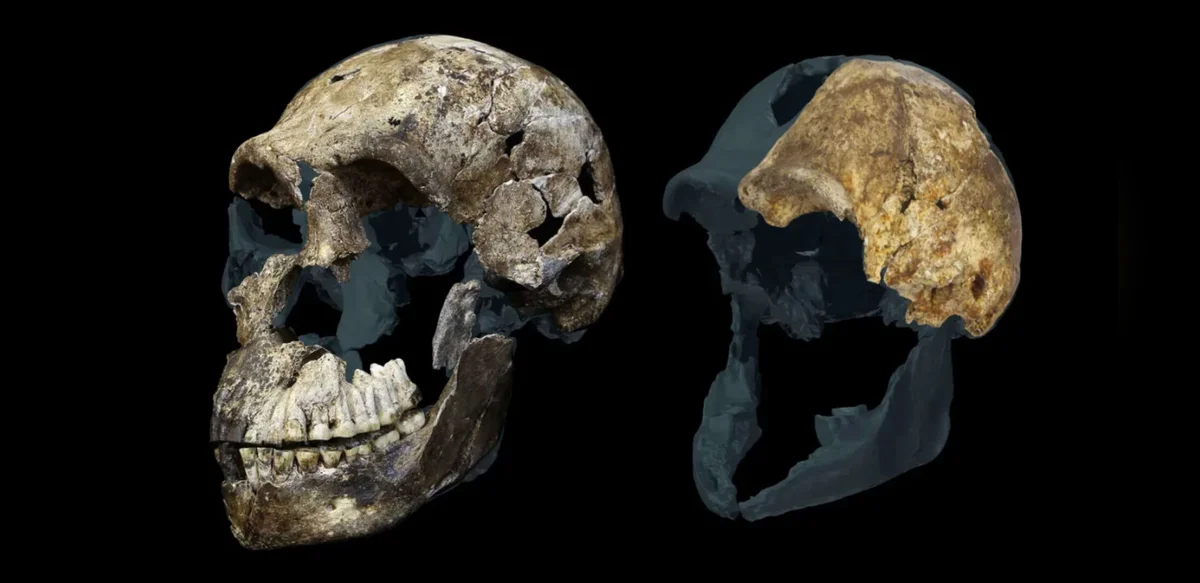
All known skeletons of the extinct human relative Homo naledi recovered from a South African cave system appear to be female, according to a new study. The species lived around 300,000 years ago and displayed a mix of primitive and modern traits. Researchers analyzed 20 teeth from the Rising Star cave using protein markers in tooth enamel. They detected the AMELX protein found in both sexes but found no trace of the AMELY variant linked to males. This result suggests that every sampled individual, including two nearly complete skeletons previously thought to be male, may have been female. The finding adds to ongoing debate about the species, which was discovered in 2013. Scientists note that the absence of male specimens could reflect selective burial practices or a rare genetic variation, though both explanations remain uncertain. The study highlights unusual aspects of Homo naledi biology and behavior.