


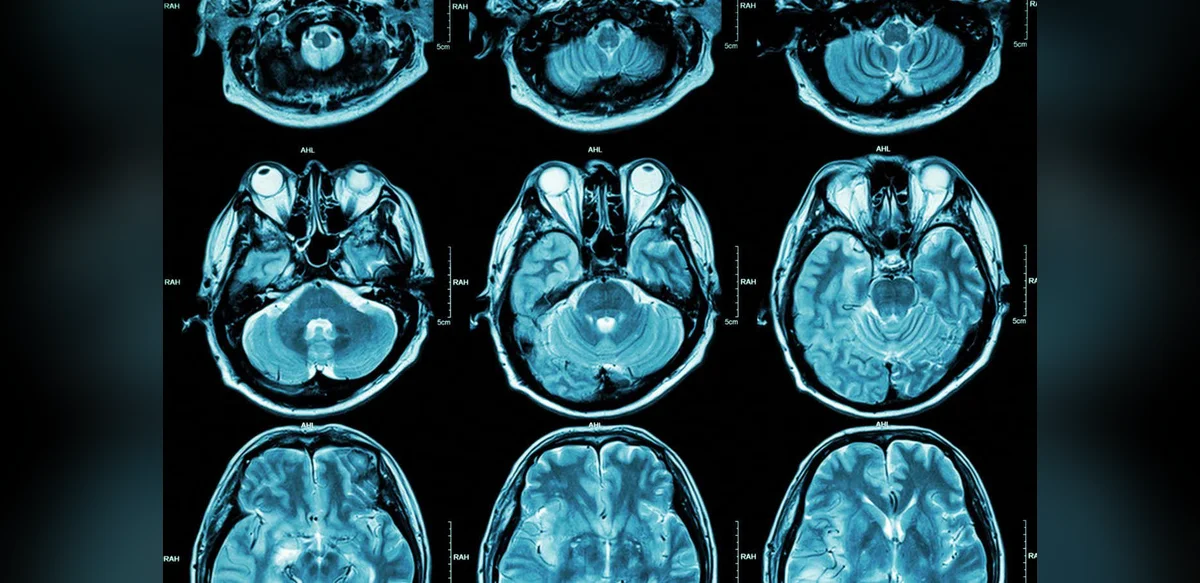
Growing evidence points to multiple forms of autism, with new findings indicating that the condition differs based on the strength of connections between brain areas. Scans reveal that some autistic individuals show unusually strong links across brain regions, whereas others display weaker connections. These patterns seem tied to separate underlying processes, supporting the idea of distinct autism subtypes.
Alessandro Gozzi of the Italian Institute of Technology noted that the work identified dominant subtypes linked to separate biological pathways. Autism affects roughly 780 people per 100,000 and involves challenges with social interaction, sensory overload, and limited behaviors, though experiences vary widely.
Earlier imaging studies produced conflicting results on connectivity because they overlooked this variation. Gozzi’s group examined 20 mouse strains, each carrying a different autism-related mutation. Scans showed hypoconnectivity in 11 strains and hyperconnectivity in nine. These opposing patterns corresponded to different protein interactions: synaptic proteins in the first group and gene-regulation or immune proteins in the second.
Analysis of scans from 940 autistic people and 1,036 controls found hypoconnectivity in 24 percent and hyperconnectivity in 17 percent. The remaining 59 percent fit neither pattern, suggesting additional subtypes exist. Experts note that mouse models capture only part of autism’s genetic and developmental range, and further work is needed to connect genetics, brain activity, and behavior.

