


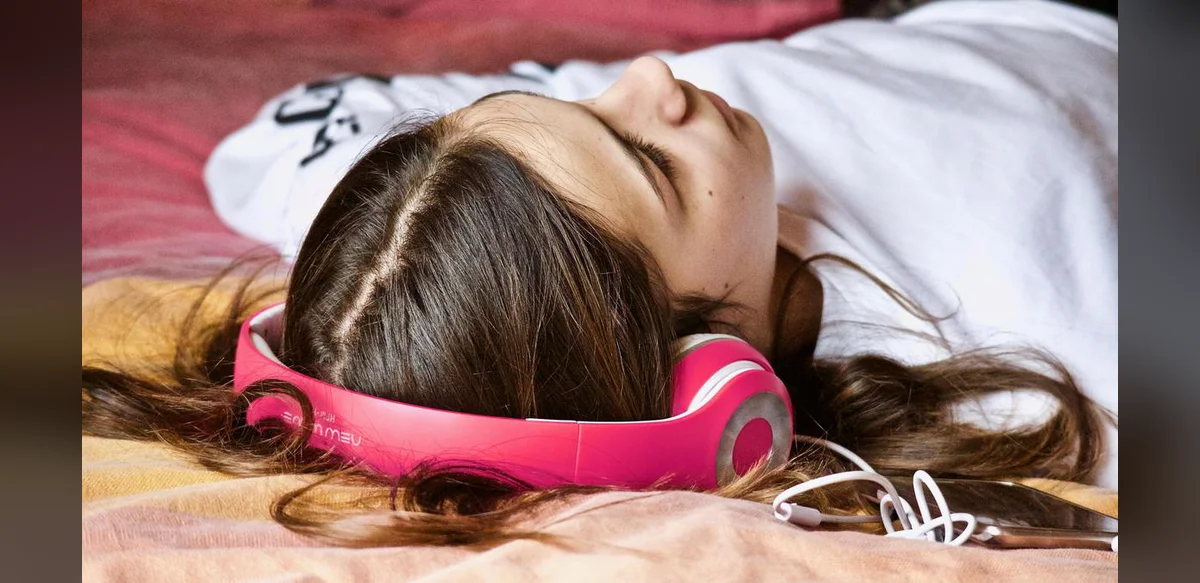
Quality sleep supports healthy brain and body function. Yet millions globally experience sleep disorders that harm focus, memory, and mood while raising risks of diabetes, heart disease, cancer, and neurological problems.
These disorders arise from medical issues, mental health factors, genetics, and daily habits or surroundings. They often reinforce each other, creating cycles that require targeted solutions.
Clinicians address insomnia through medication and cognitive behavioural therapy. Music therapy has recently gained attention as a side-effect-free option for improving sleep.
Music therapy involves trained professionals using tailored sounds to aid relaxation. Referrals come from medical teams to complement standard treatments, sometimes alongside CBT elements such as relaxation exercises.
Selections range from instrumental to vocal pieces, chosen according to patient age, tastes, culture, and condition severity. Therapists begin with preferred tracks then apply techniques to deepen calm and encourage sleep.
Music influences brain areas to either energize or soothe. Slow, steady rhythms promote rest by fostering safety and reducing alertness, as noted in studies on sleep induction.
Evidence shows such melodies lower stress hormones like cortisol and ease anxiety via the nervous system. They also affect heart rate, breathing, and blood pressure while boosting oxytocin for mood balance.
Beyond brain chemicals, music may impact the gut microbiome. Gut bacteria communicate with the brain through the gut-brain axis, producing compounds that support sleep cycles and immune regulation tied to rest.
Disrupted microbial balance can worsen sleep quality, forming a loop that harms health. Recent reviews confirm altered gut profiles in those with sleep difficulties.

