


Uranus and Neptune count among the least explored bodies in the solar system, having been visited solely by NASA’s Voyager 2 probe in 1986 and 1989. Their classification as ice giants stems from earlier theories that an icy mantle lies beneath their hydrogen-helium atmospheres. In contrast, Jupiter and Saturn consist mainly of those same light gases without the proposed icy layers.
A recent study posted on the arXiv preprint server and submitted to the Astrophysical Journal challenges the traditional label. Researchers at the University of California, Los Angeles used computer simulations to test the interior makeup of both planets. Longstanding models describe a hydrogen-helium atmosphere over a thick mantle of water, ammonia and methane ices surrounding a rocky core. Yet measurements of magnetic fields and heat flow have not matched those predictions.
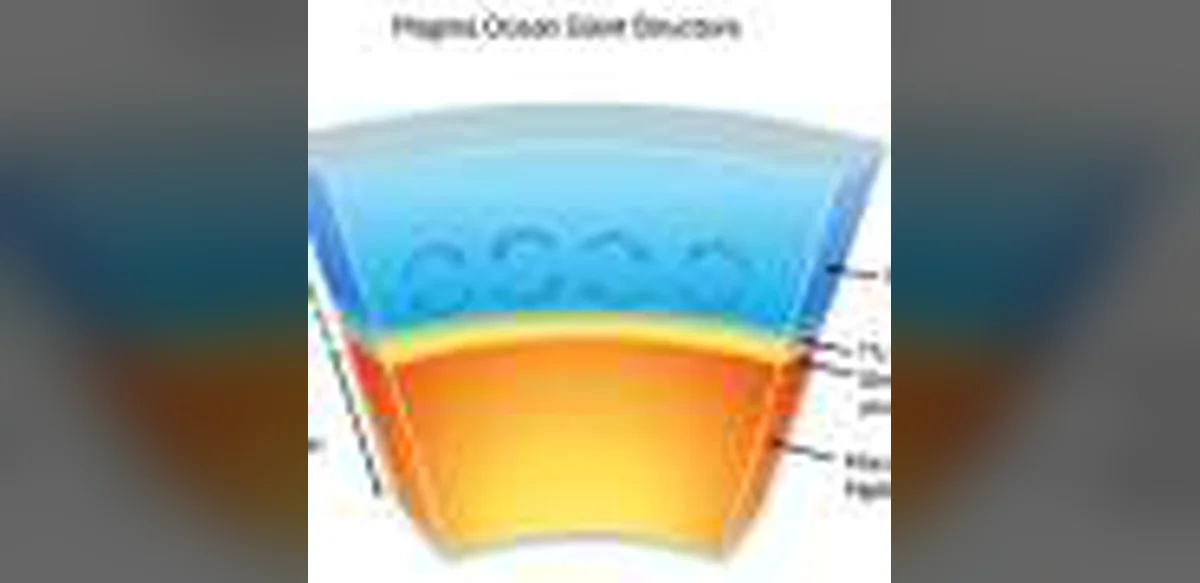
The new models instead point to a magma ocean beneath a thin boundary layer containing hydrogen, helium, magnesium, silicon monoxide and oxygen. Heat would move through the atmosphere and radiate into space. The findings may also apply to sub-Neptune exoplanets, the most common type detected beyond our solar system, whose sizes range from one to 4.5 times Earth’s radius.
The authors conclude that the chemical traits of Uranus and Neptune resemble those of gaseous sub-Neptunes, suggesting similar formation conditions driven by magma oceans. Proposed missions such as the Uranus Orbiter and Probe and Neptune Odyssey could provide further data, though none are currently scheduled.

