


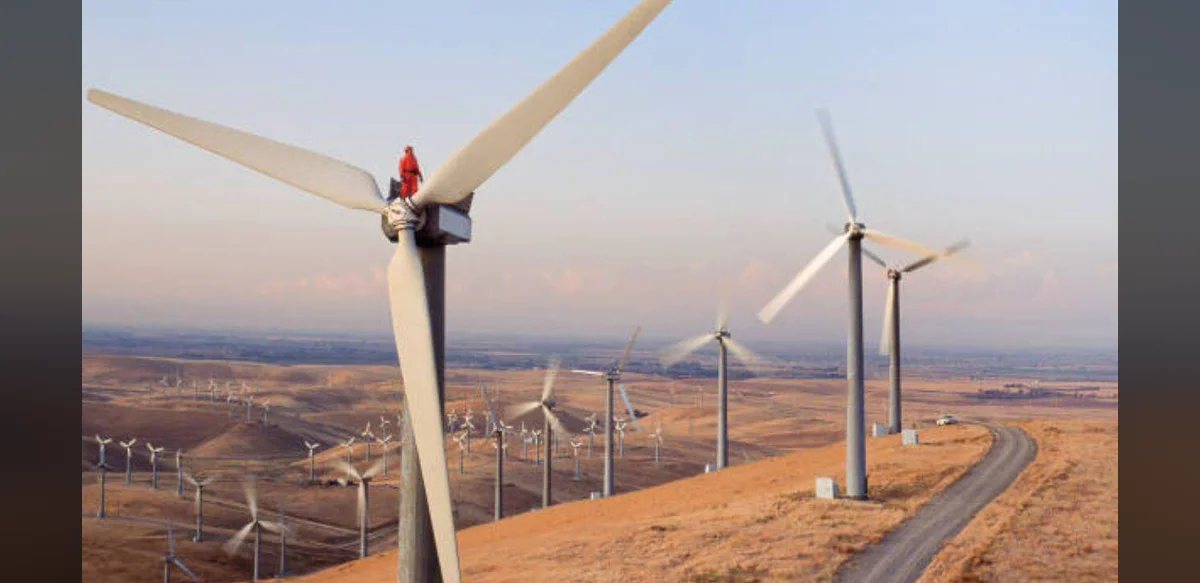
In Casper, Wyoming, the regional landfill accepted its first retired wind turbine blades in spring 2019. By September that year the total reached 1,124 units from three nearby wind farms. Each blade measured about 120 feet and was sliced into three 40-foot pieces for transport and burial. Even when nested, each blade occupied roughly 44 cubic yards of space.
The blades consist of fiberglass and epoxy designed to withstand years of flexing. This strength prevents easy crushing or shredding, so they were cut with diamond wire saws at the turbine sites. A 150-foot blade weighs around 20,000 pounds after sectioning.
About 90 miles north of St. Louis, in Louisiana, Missouri, a cement plant now receives blades from across the country. Since late summer 2020 the facility has processed nearly 2,000 blades and accepts about 250 more each month. The blades are shredded and added to the kiln feed. More than 70 percent of a blade is silica, the main ingredient in cement, so roughly three-quarters of each unit supplies raw material while the rest replaces coal as fuel.
Decommissioned blades have also served as footbridges. In County Cork, Ireland, two blades span a greenway along an old rail bed, covering about 16 feet. A similar structure was installed earlier in Poland. The blades function as hollow beams suited to carry pedestrian loads.
Researchers estimate 43 million tons of blade material will require disposal worldwide by mid-century. Current uses in landfills, kilns, and bridges represent only an initial response. Newer blades are being engineered for chemical separation at the end of service life, which may improve future recycling rates.

