


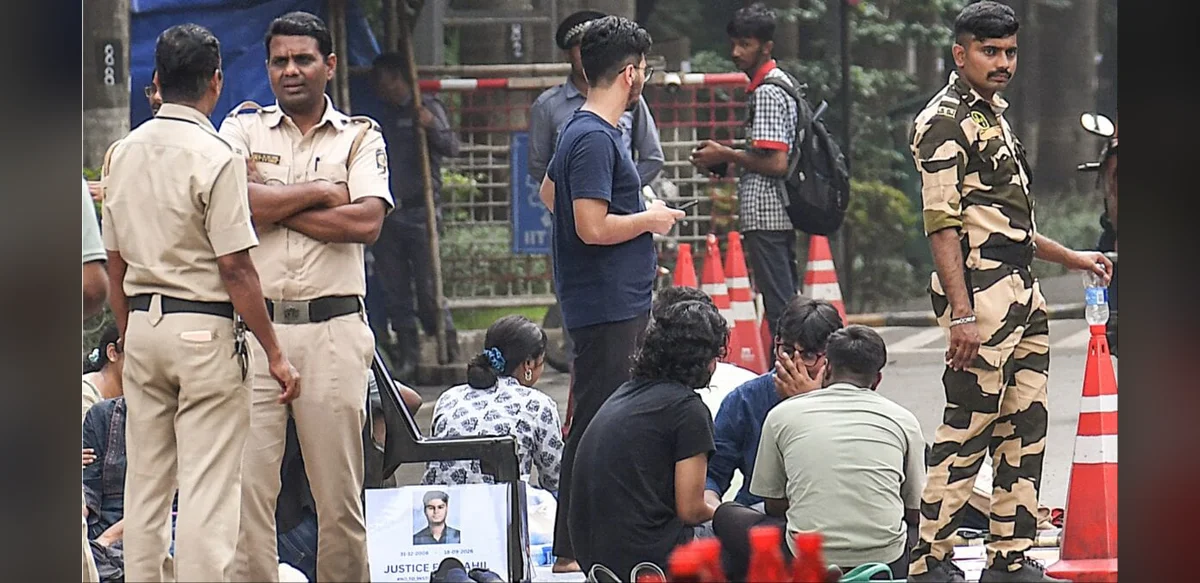
The Indian Institute of Technology Bombay has introduced an 18-point charter aimed at updating procedures related to student welfare and institutional rules. The document focuses on adjustments in areas such as handling disciplinary matters, support for mental health, expectations for faculty behavior, and mechanisms for student input in decision making. Observers note that these proposals could influence practices across similar technical institutions in the country.
The charter emerges amid ongoing discussions about student well-being in high-pressure academic settings. It outlines steps to make disciplinary processes more transparent and less punitive in certain cases. For instance, it suggests clearer guidelines on investigations and appeals, which might reduce ambiguity for those involved. This approach seeks to balance accountability with fairness, potentially leading to fewer prolonged disputes.
Mental health provisions form another core element. The charter recommends expanded access to counseling services and training for staff to recognize signs of distress earlier. Institutions adopting similar measures could see improved reporting systems and quicker interventions. Such changes might encourage more students to seek help without fear of stigma or academic repercussions.
Faculty conduct standards are addressed through proposed codes that emphasize respectful communication and support roles. This could foster a more collaborative atmosphere between instructors and learners. Over time, clearer expectations might help prevent misunderstandings that sometimes escalate into formal complaints.
Student representation is highlighted as a way to include learner perspectives in policy reviews. The charter proposes regular forums where elected student bodies can voice concerns directly to administrators. This structure might result in policies that better reflect day-to-day realities on campus.
Five potential outcomes have been identified by analysts reviewing the document. First, other institutes may review and adapt comparable frameworks, leading to broader standardization in handling sensitive issues nationwide. Second, disciplinary cases could see shorter resolution times due to streamlined steps. Third, mental health resources might receive increased funding as awareness grows. Fourth, faculty development programs could incorporate new modules on student support. Fifth, overall campus climate might improve through sustained dialogue channels.
Implementation details remain under discussion, with committees expected to outline timelines and resource needs. The charter does not replace existing regulations but supplements them with targeted recommendations. Stakeholders from various academic backgrounds have welcomed the initiative as a step toward more responsive governance.
Critics caution that success will depend on consistent application and monitoring. Without adequate follow-up, the points risk remaining aspirational. Proponents argue that the emphasis on prevention and inclusion could set a precedent for technical education environments facing similar challenges.
The document reflects wider trends in higher education toward holistic student support. As technical institutes continue to expand enrollment, frameworks like this one may become more common. Continued evaluation will determine long-term effects on retention rates and academic performance.
In summary, the 18-point charter represents a structured effort to address interconnected aspects of student life. Its influence could extend beyond a single campus if other institutions draw from its principles. The coming months will likely reveal initial steps toward operationalizing these ideas.


