


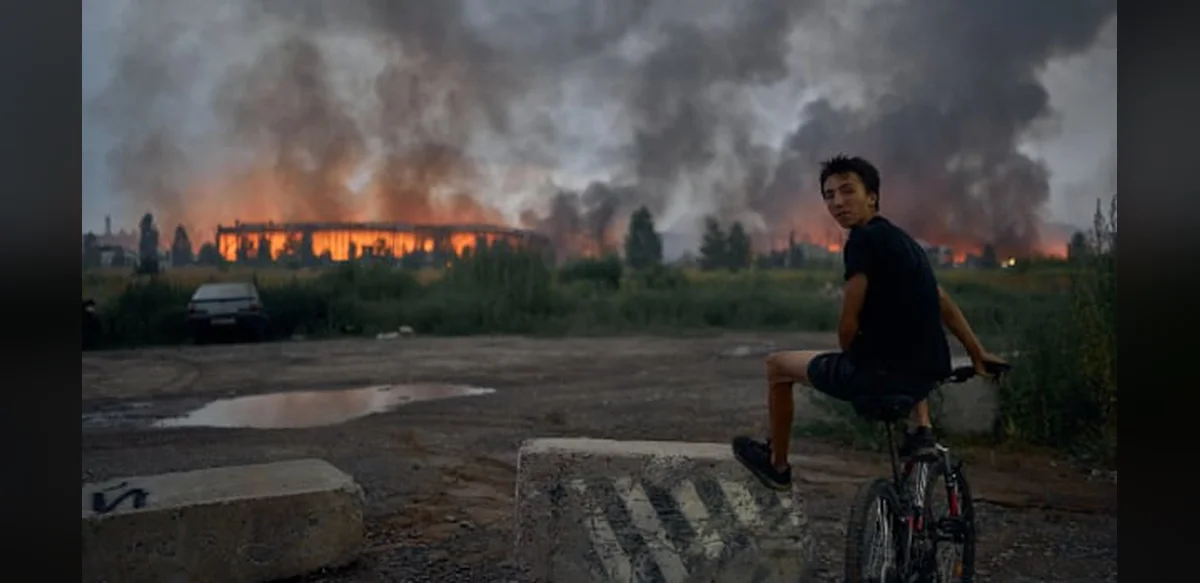
Authorities reported that a series of missile and drone attacks targeted the capital city and nearby districts during the night leading into Wednesday. The strikes resulted in significant loss of life and injuries among residents. According to statements from the national emergency response agency, the incident claimed the lives of seventeen individuals while leaving forty-two others with various degrees of harm.
Emergency teams were quickly mobilized to the affected zones to manage rescue operations and provide medical assistance. The response involved coordination between local units and specialized personnel equipped to handle debris removal and structural assessments. Officials emphasized the importance of rapid intervention to minimize further risks in the impacted neighborhoods.
The barrage affected multiple locations across the urban center and its outskirts. Reports indicated that residential buildings and infrastructure sustained damage, prompting temporary disruptions in daily activities for many households. Local services worked to restore essential utilities and ensure safe access for recovery crews.
Witness accounts described sudden alerts followed by intense sounds of impact and subsequent emergency sirens. Residents in the vicinity were advised to seek shelter during the event, with updates issued through official channels to guide public safety measures. The situation highlighted ongoing challenges in maintaining civilian protection amid such incidents.
Medical facilities in the region received an influx of patients requiring treatment for trauma and related conditions. Staff at these centers focused on stabilizing those affected and coordinating with external support networks for additional resources. The scale of injuries underscored the need for continued preparedness in healthcare responses.
Government representatives issued statements condemning the attacks and calling for international attention to the humanitarian implications. They reiterated commitments to supporting affected communities through aid distribution and reconstruction planning. Discussions among officials centered on evaluating the broader effects on regional stability.
Investigations into the precise trajectories and origins of the projectiles were initiated promptly. Analysts reviewed available data to understand patterns and improve future defensive strategies. Such assessments are part of routine protocols following similar events to enhance overall security frameworks.
The event drew reactions from various international observers who expressed concern over the escalation and its impact on civilian populations. Calls for de-escalation and diplomatic engagement were voiced in multiple forums, reflecting wider global interest in resolving underlying tensions.
Recovery efforts continued into the following days with focus on clearing debris and providing temporary housing solutions where necessary. Community organizations played a role in distributing supplies and offering psychological support to those displaced or traumatized by the occurrences.
This incident adds to a pattern of aerial threats that have periodically affected the area, prompting sustained vigilance among defense forces. Monitoring systems remained active to detect and respond to any subsequent developments in real time.
Public communications stressed the importance of following official guidance during periods of heightened alert. Information campaigns aimed to equip residents with knowledge on emergency procedures and available assistance programs.
Overall, the response demonstrated coordination across multiple agencies despite the complexities involved. Lessons from prior similar situations informed the approach, contributing to efficient handling of the immediate aftermath.
Further updates are expected as assessments progress and additional details emerge from ongoing operations. The focus remains on supporting recovery and addressing the needs of those impacted by the events.


