


On March 2, 2026, the Delhi administration introduced the Pink National Common Mobility Card, known as the Pink Saheli Smart Card. This initiative provides unlimited free bus rides to women and transgender individuals who are residents of Delhi. It succeeds the prior pink ticket program, which allowed free travel for all female passengers irrespective of their home location. The updated system demands Aadhaar verification confirming Delhi residency.
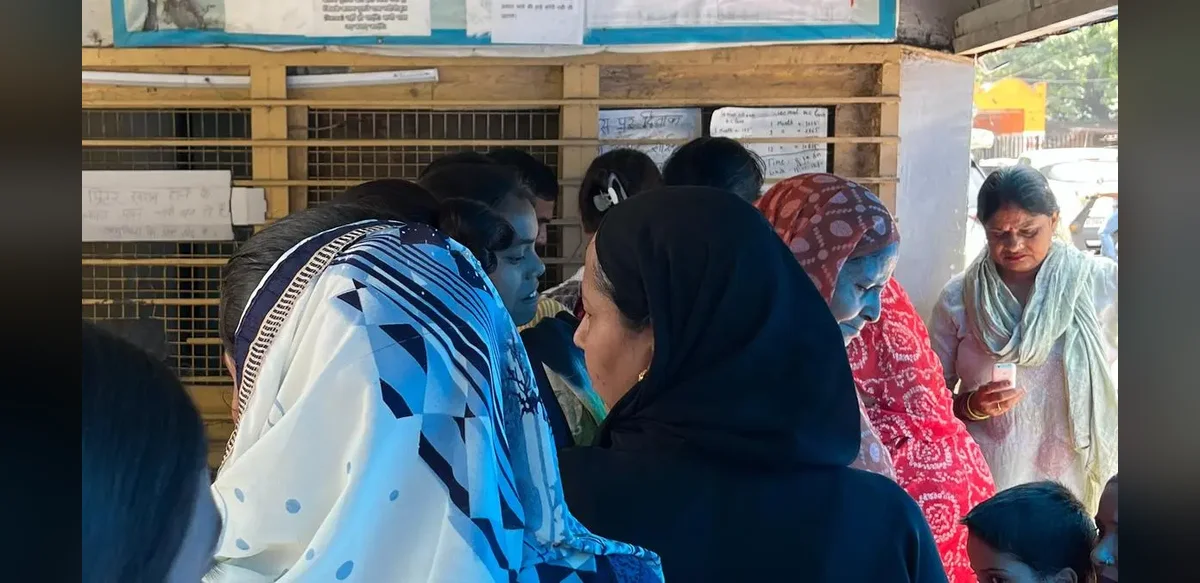
At the Kashmere Gate Bus Depot, Fathima endured a one-hour wait in intense summer heat, advancing only three spots in line. The queue lengthened due to a malfunctioning printer at one of the two service counters.
A Delhi Transport Corporation (DTC) public relations staff member stated that local services should prioritize Delhi voters. However, social activist and writer Indu Prakash Singh argued that the Indian Constitution grants everyone the right to reside and work in Delhi without discrimination, noting that wealthier residents face no such scrutiny while the underprivileged do.
According to the 2024-25 Economic Survey of Delhi, migration contributed 283,000 new residents in 2021, far exceeding the 101,000 from natural population growth. The city draws about 100,000 migrants each year. Once the Saheli Smart Card becomes required for free rides, many current users reliant on buses for daily travel will be ineligible.
Leela, the primary provider for her family of four children since her husband is unemployed, commutes from Mahipalpur to Dwarka. The free travel saves her around Rs 600 monthly, which she uses for her kids’ education or healthcare. Yet her Aadhaar reflects her Bihar origin, disqualifying her under full implementation.
Eligibility hinges on Aadhaar e-KYC showing a Delhi postal code. The DTC representative indicated the card will fully supplant the pink ticket system and serve as a versatile NCMC for metro fares and other transactions.
The official mentioned past issues where bus conductors printed extra pink tickets and discarded them to boost reimbursement claims. He added that some migrants obtain duplicate papers with Delhi addresses to claim benefits in multiple states, justifying the strict Aadhaar requirement.
An anonymous Trade Union Coordination Centre (TUCC) spokesperson praised the old system’s fairness, allowing free travel for everyone from top officials to laborers. He emphasized that informal workers add to state revenues through everyday purchases, and DTC reimbursements draw from public funds to which these workers contribute via taxes.
Singh dismissed the idea that only middle-class residents pay taxes, pointing out that even low-income city builders buy taxable goods in small quantities.
To apply, individuals must bring a physical Aadhaar card to one of 50 specified locations. An online application site is available but has been reported as frequently unstable. Requests for comments from the offices of the Chief Minister and Transport Minister went unanswered.
Nutan described the application process as disorganized with massive crowds; she travels daily from Kashmere Gate to Dwarka. Student Riya from Dr. B.R. Ambedkar University missed half a day of classes to apply but needed to first update her Aadhaar-linked phone number, leaving empty-handed.
Shyam Lal, applying on behalf of his wife, noted that those with Delhi Aadhaar addresses often belong to better-off groups. He worried that essential workers like domestic helpers or factory employees, who truly need the benefit, might not afford time off to apply.
Transwoman Ritambara expressed discomfort with public scrutiny at bus depots. She highlighted that proving transgender identity via Aadhaar requires it to be officially noted, often needing medical documentation or a specific ID, which not all possess.
Another transwoman, Chanda, at the depot shared that many transgender acquaintances migrated to Delhi for employment opportunities. Struggling to afford basic meals, they value every saving. She welcomed the scheme’s inclusion of transgender people but cautioned that residency rules could bar many.
The TUCC representative explained that migrant laborers often work short-term contracts, residing in informal settlements or shared rooms, earning Rs 500 to Rs 700 monthly. Multiple households may share spaces under tough conditions.

