


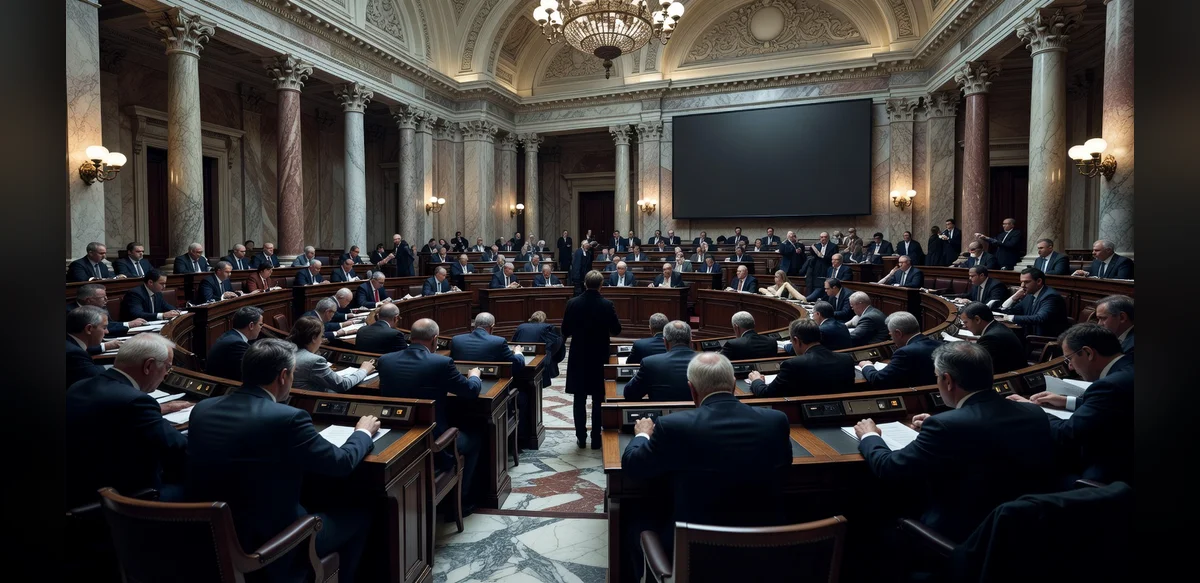
On April 17, 2026, India’s lower house of parliament, the Lok Sabha, rejected the Constitution (131st Amendment) Bill, dealing a blow to the government’s efforts to reform the electoral system. The bill garnered 278 votes in support and 211 against, with 489 members participating and no abstentions. Under Article 368, constitutional amendments need approval from at least two-thirds of those present and voting, a threshold it did not meet.
Lok Sabha Speaker Om Birla announced the bill’s failure due to insufficient majority. This occurred shortly after the government activated the Constitution (106th Amendment) Act, 2023, which mandates 33% reservation for women in the Lok Sabha and state assemblies, effective from April 16.
Following the defeat, Union Minister Kiren Rijiju withdrew the related Delimitation Bill, 2026, and the Union Territories Laws (Amendment) Bill, 2026, as they depended on the amendment’s passage. This outcome disrupts plans to expand Lok Sabha seats and casts doubt on the timely rollout of women’s reservations.
The 131st Amendment aimed to revise India’s electoral structure, which has maintained Lok Sabha seats at 550 based on the 1971 census. It proposed raising this to 850 seats, with 815 allocated to states and 35 to union territories, aligning representation with current population data.
The bill would have empowered parliament to schedule the next delimitation—redrawing constituency boundaries—and select the census data for it, specifying the 2011 census. Crucially, it sought to expedite the women’s reservation by removing the link to a post-2023 census, enabling implementation through an imminent delimitation.
The 2023 Nari Shakti Vandan Adhiniyam, or Women’s Reservation Act, reserves one-third of seats in the Lok Sabha and state assemblies for women, including quotas for those from scheduled castes and tribes. However, it requires a new census and delimitation to take effect. Delayed by the pandemic, the next census is projected for completion by 2027, potentially postponing reservations until 2029 or later.
The 131st Amendment was intended to accelerate this timeline. Its rejection leaves the reservation’s activation uncertain. The associated Delimitation Bill would have updated seat allocations using recent demographics, ending the 1971-based freeze designed to avoid disadvantaging states with effective population control measures.

