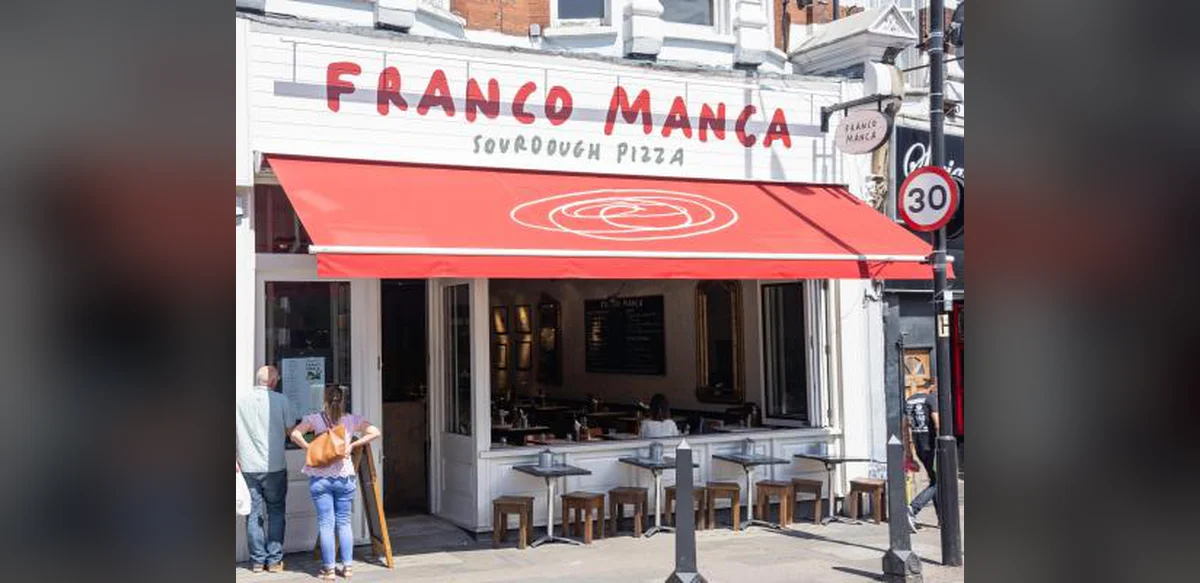
Franco Manca debuted in London’s Brixton Market in 2008, offering affordable sourdough pizzas in an upscale environment that generated significant interest. Food blogger Gerry del Guercio from BiteTwice remembers the excitement, with long lines forming for this novel option in the city. Unlike dominant American chains like Pizza Hut and Domino’s, which provided typical quick-service pizzas, Franco Manca featured slow-fermented, textured bases inspired by Neapolitan traditions. This approach captivated UK consumers, leading the brand to grow into a chain with over 70 outlets. In 2021, its parent company, The Fulham Shore, targeted more than 125 additional sites. However, the company is now contracting. This week, it revealed plans to close 16 locations through a company voluntary arrangement, an insolvency measure expected to affect around 225 positions. The affected sites include nine in London, such as the founding Brixton spot, plus ones in Hove and Glasgow. The Fulham Shore’s CEO, Marcel Khan, attributed the decision to various external expenses impacting the sector, including rises in national insurance, minimum wage, and property taxes, rendering some venues unprofitable. Despite discussions on whether the UK has reached maximum pizza saturation, demand for the item continues to grow faster than inflation, according to food service expert Peter Backman. So, do Franco Manca’s difficulties indicate waning interest in its specialty, or is it simply overexpansion? Backman suggests neither; sourdough remains enduring, representing about 20% of pizza sales. Instead, it has become commonplace, losing its initial edge. The trend surged online during the pandemic, with social media platforms like TikTok and Instagram featuring home baking tutorials. Supermarkets then adopted it, and Backman notes that retail now comprises half of pizza purchases, showing a shift toward store-bought options. Mintel’s data indicates pizza constitutes 29% of new sourdough products from 2022 to 2025. Analyst Trish Caddy from Mintel explains that eatery brands like Franco Manca increasingly rival supermarkets in cost and ease. While pizza is generally budget-friendly, sourdough versions are pricier due to perceived superior quality and appeal, not higher production costs, per Backman. Amid economic strains, people may prefer homemade or grocery alternatives over eating out. Del Guercio attributes the chain’s downsizing to reaching its height. As it grew, pizza quality declined while prices increased—from £4.60 for a margherita initially to nearly £10 now. He found recent experiences far inferior to early ones, a common issue with scaling. As a pizza reviewer and co-operator of Carmela’s Pizzeria in north London, he observes a competitive landscape with independents innovating. Neapolitan-style has given way to thinner, crispier varieties. Competitors like Rudy’s and Pizza Pilgrims have expanded rapidly, with Rudy’s leveraging social media effectively, says CGA consultant Reuben Pullan. Still, Pullan believes Franco Manca’s reductions stem not from product issues but broader industry pressures. All businesses face rising costs, and with a sizable network, increases in energy or supplies could make some locations unsustainable. He views it as typical turnover in a stressed market. Backman concurs.