


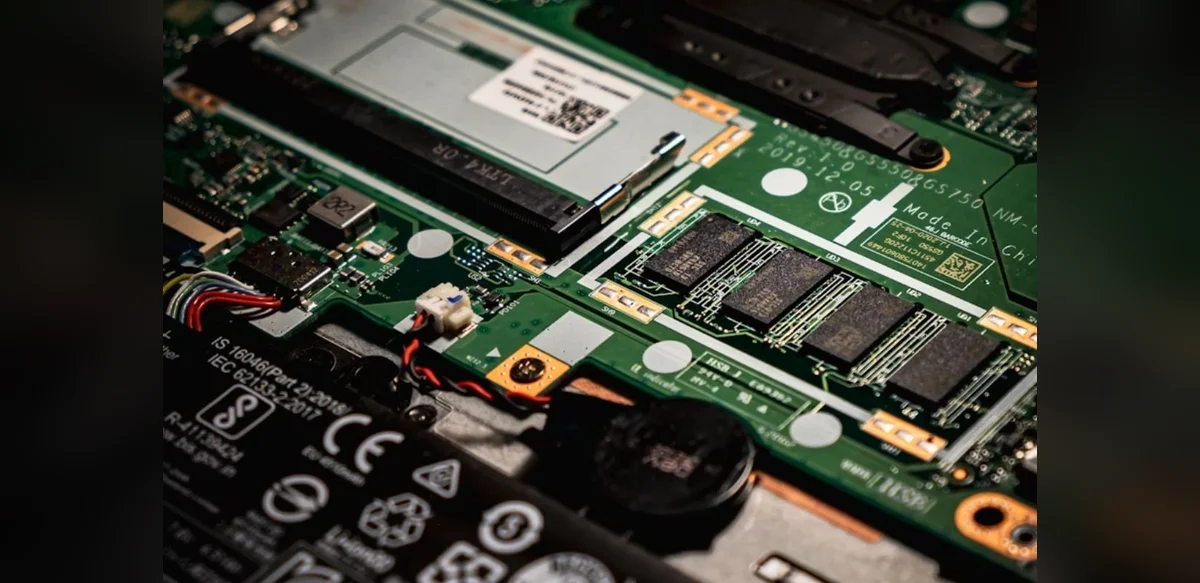
The worldwide shortage of memory components is disrupting the consumer electronics sector, leading to higher prices for items like smartphones, laptops, and gaming systems. According to a recent analysis, this imbalance between supply and demand might not resolve until 2030. A major DRAM manufacturer, SK Hynix, intends to launch a new production facility, but it will primarily produce high-bandwidth memory (HBM) for AI data centers rather than consumer products.
Memory Supply Issues Expected to Extend for Years
SK Hynix’s group chairman, Chey Tae-won, informed Reuters that the current situation could last until the decade’s end. The firm, which commands 32% of the global DRAM market—trailing only Samsung—and dominates the HBM segment with 57% share, is facing challenges in fulfilling AI sector needs for data centers.
Chey stated that satisfying HBM demand would require four to five years, mainly to accumulate sufficient raw materials for silicon wafer production. This effort will mainly support expanding AI inference requirements worldwide, not consumer gadgets. The chairman anticipates this priority shift could cause over 20% shortfall in parts for the retail sector.
A separate report from Nikkei Asia offers a slightly more positive view, suggesting that elevated prices and inventory shortages might persist until 2027, depending on actions by the top three players: Samsung, SK Hynix, and Micron.
Samsung plans to introduce a fourth production site at its Pyeongtaek location in South Korea this year, though full operations are not expected until late 2027. This site will emphasize logic chips for computing, potentially affecting overall memory output. The company is also building a fifth facility dedicated to HBM.
Likewise, SK Hynix and Micron are increasing HBM manufacturing. SK Hynix’s Cheongju plant is already active, while Micron aims for large-scale output by 2027 at its facilities in Idaho and Singapore. However, these expansions are unlikely to substantially ease the DRAM shortage.
A Counterpoint analysis states that resolving the DRAM shortfall would need a 12% annual production increase from suppliers, but existing strategies only forecast a 7.5% growth, providing limited relief.
In the meantime, the consumer electronics industry is grappling with the fallout. A report from last month noted that the price of 16GB LPDDR5X RAM and 1TB UFS 4.1 storage now exceeds that of Qualcomm’s Snapdragon 8 Elite Gen 5 processor. This has influenced various consumer products. Earlier this month, Sony increased prices for its PlayStation 5 and PlayStation 5 Pro models. The ROG Ally X handheld also saw a price rise in Japan recently.
Further reports suggest Apple may face higher costs for memory parts, potentially affecting pricing for its devices this year. Additionally, Vivo and iQOO smartphones in China might experience price increases soon. If the shortage continues, other electronics brands are expected to adjust prices accordingly.

