


For the first time, researchers have recovered ancient human DNA from cave walls and rock paintings, creating a new method to study the people who produced prehistoric art thousands of years ago. The findings were published in June in Nature Communications.
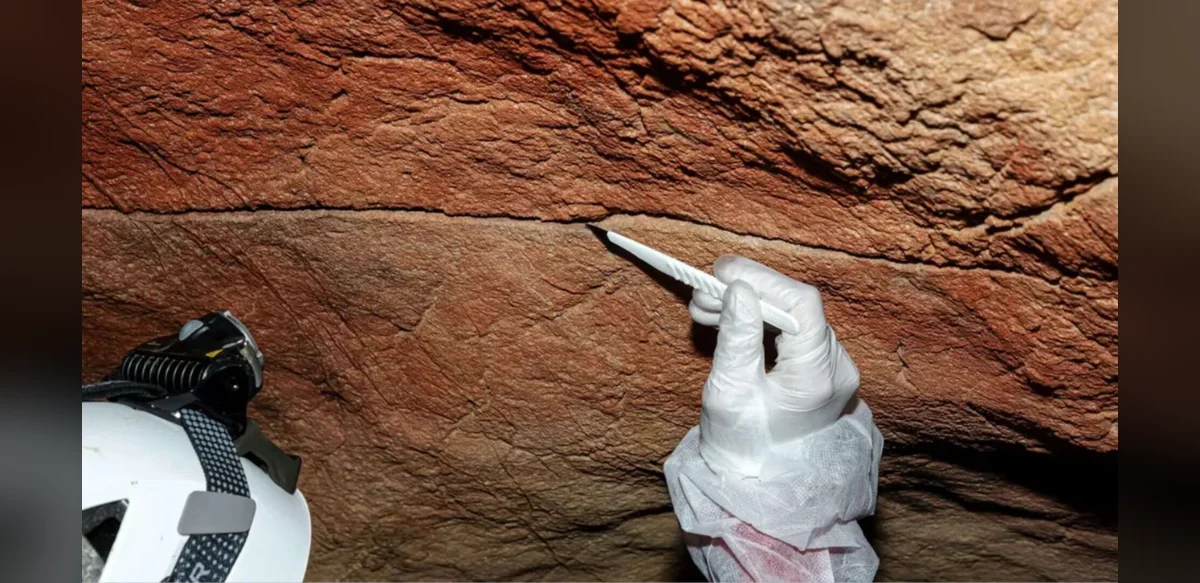
The team visited 11 caves containing prehistoric rock art in Spain and Portugal from 2022 to 2025. They took samples from 24 painted panels by removing small amounts of red ochre pigment or overlying calcite crusts. They also collected material from nearby unpainted wall sections for comparison.
Analysis detected traces of ancient human DNA in a pigmented calcite crust from Portugal’s Escoural Cave. The researchers believe the DNA was left directly by saliva, sweat or other bodily fluids during the creation or viewing of the art, as the sample contained human DNA without animal DNA.
The exact age of the DNA could not be determined due to the small quantity recovered. It is at least 2,000 years old and likely older, given that Escoural Cave was sealed around 4,000 to 5,000 years ago. The DNA may belong to the original artists or to later visitors who touched the surfaces.
Ancient human DNA was also found in unpainted areas of Escoural Cave and Spain’s Covarón Cave. Only five of 120 samples yielded usable human DNA, illustrating the challenges of preservation on cave walls. Three samples appear linked to women and one to a man. Genetic data suggest connections to western hunter-gatherer populations that lived between 5,200 and 16,700 years ago.
The study indicates that caves could become a valuable new source of genetic information about prehistoric groups. Further sampling is planned at additional sites, including locations where Neanderthal involvement is suspected.

